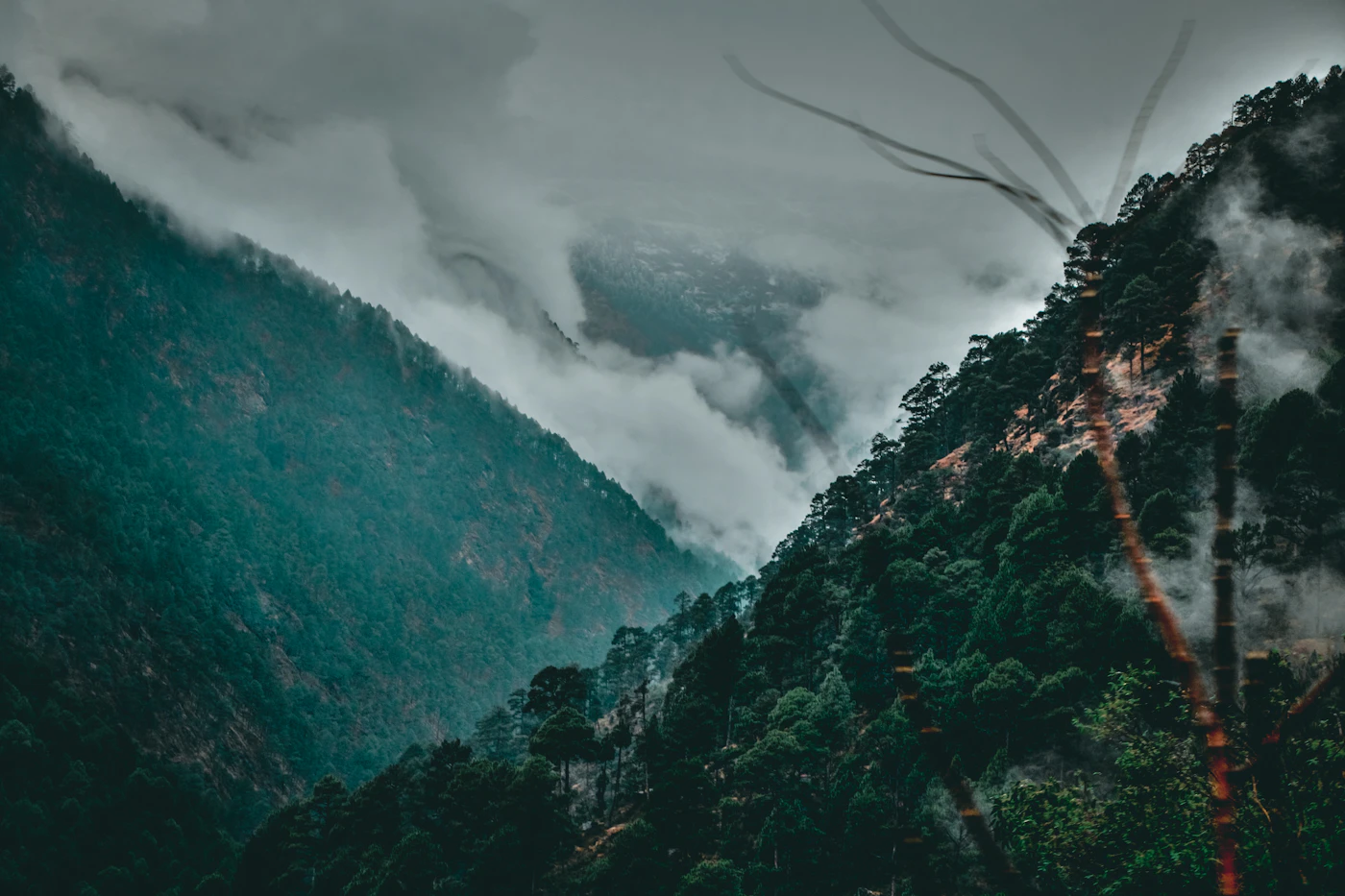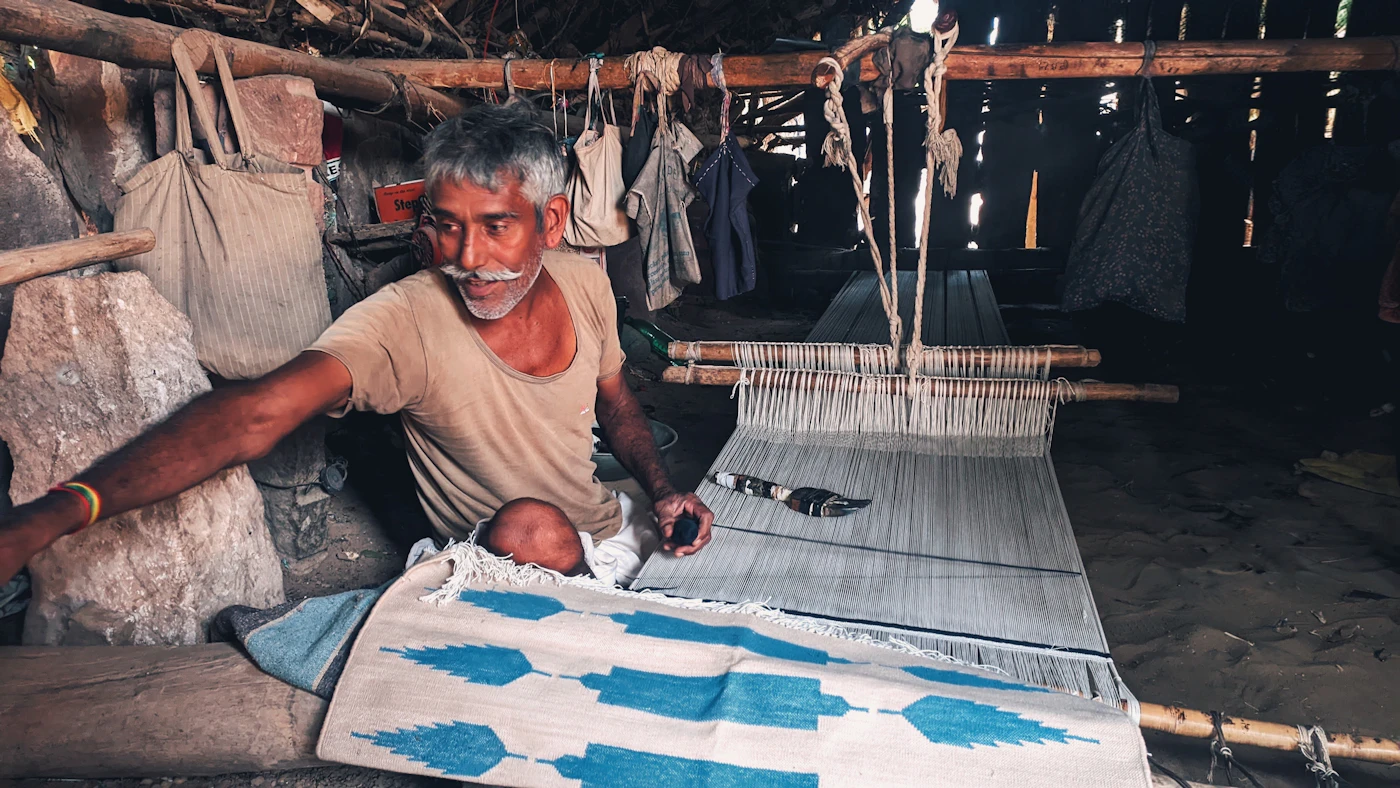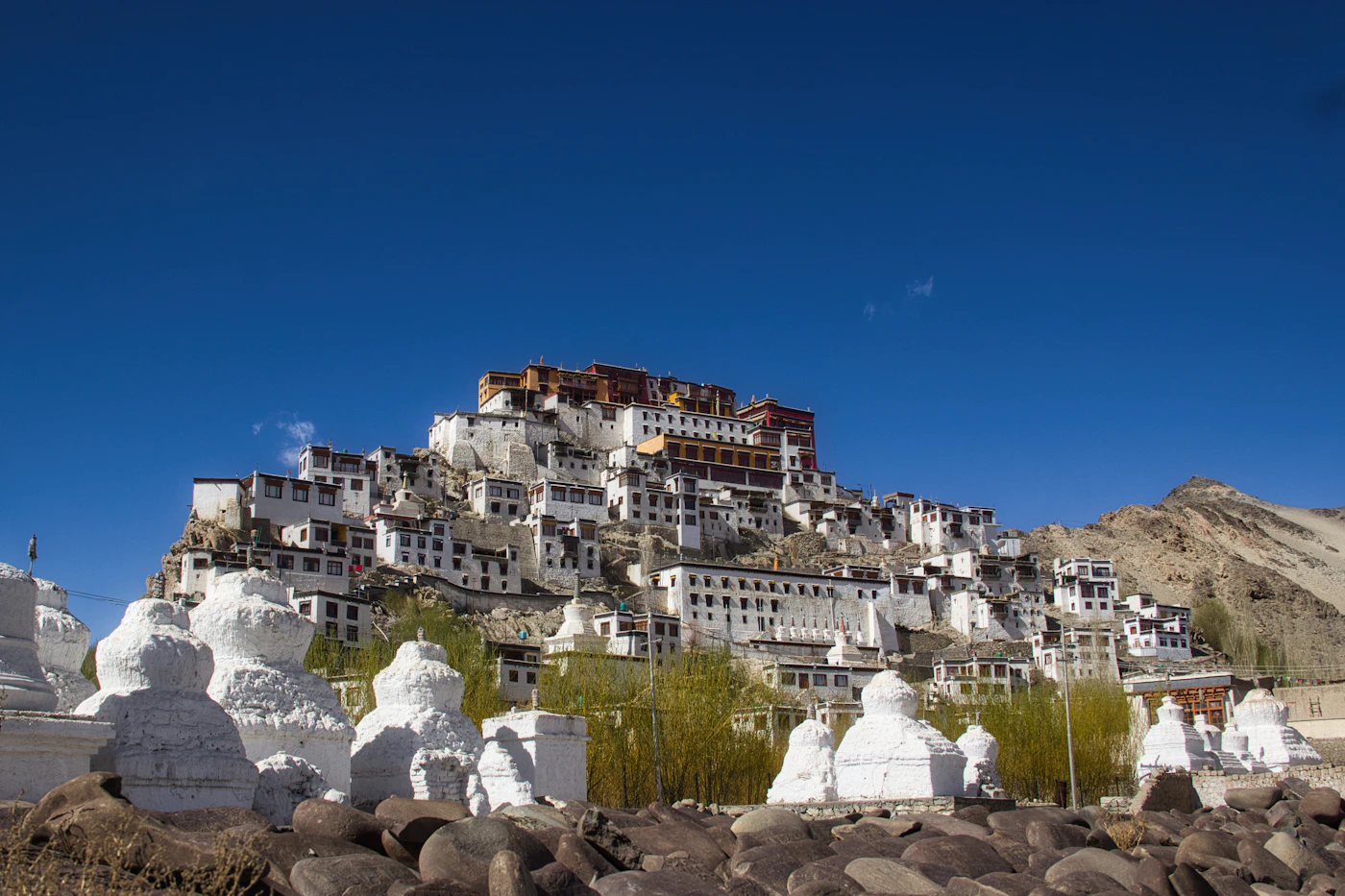
Ladakh is the India that surprises people who thought they knew India. There are no crowds jostling at monument gates and no humid heat. Instead you get a high, dry, sunlit desert, Buddhist monasteries on ridges, and lakes so blue they look edited. It is also the one part of India where getting the plan right matters more than anywhere else, because the place sits at altitude from the moment you step off the plane.
When is the best time to go?
June to September is the main season. Days are warm and clear, the high passes are open, and the monasteries hold their summer festivals. May and early October are quieter and colder, with some roads still opening or closing. From November to March, flights still run into Leh, but it is a winter trip for the hardy.
That season is the reason Ladakh suits travellers from the UK and Australia so well. It is at its best exactly when the plains of India are hot and wet, which is your summer holiday if you live in Britain and your winter school holidays if you live in Australia.
Altitude: the one thing to take seriously
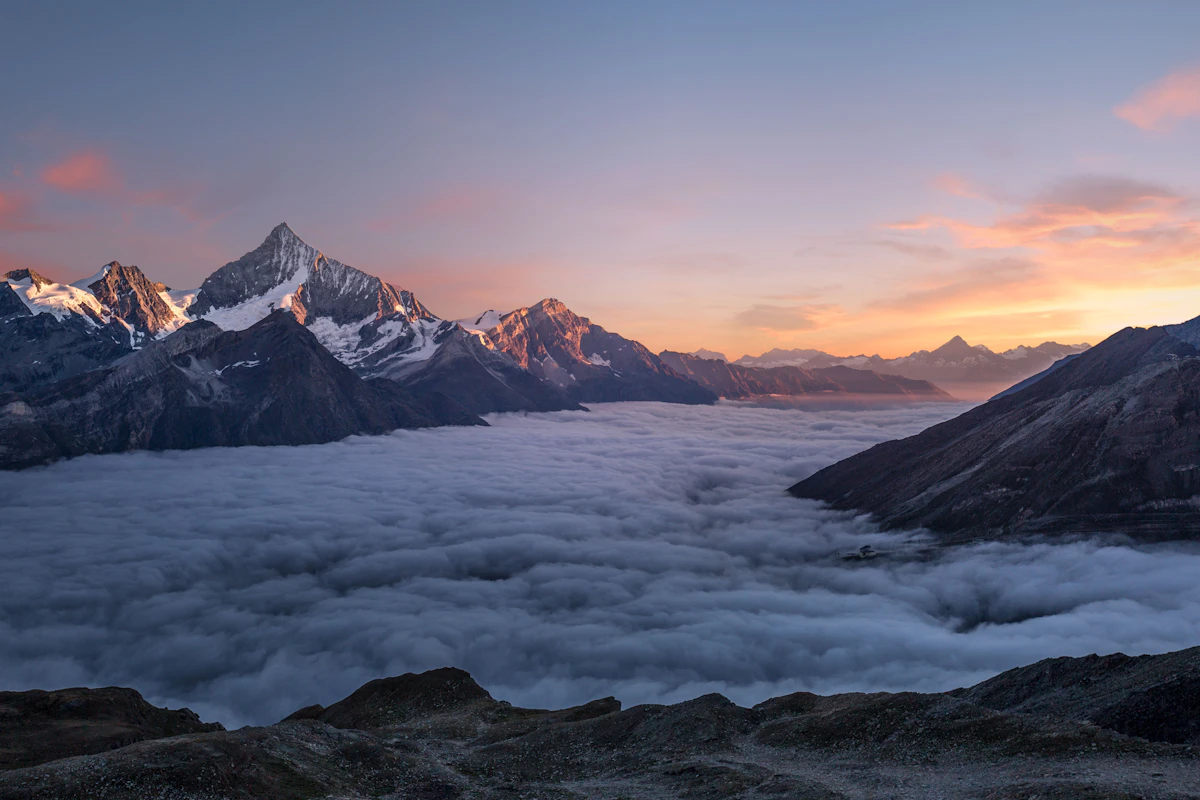
Leh is at about 3,500 metres. Most visitors fly in from Delhi in a little over an hour, which means going from near sea level to high altitude in a single morning. Your body needs time to adjust, and the first two days set the tone for the whole trip.
- Rest on day one. Check in, drink water, eat lightly and sleep. Resist the urge to explore.
- Keep day two gentle. Short walks in Leh, nothing steep, no high passes.
- Go up gradually. Sleep in Leh for at least two nights before crossing a high pass or spending a night by Pangong Lake.
- Skip alcohol for the first couple of days and drink more water than feels necessary.
- Talk to your doctor before you go, especially about any heart or lung condition, pregnancy, or travelling with young children. Ask whether medicine to help acclimatisation suits you.
Headache, poor sleep and breathlessness on stairs are common in the first day or two. Symptoms that get worse instead of better mean you should go no higher and get medical advice. Your driver knows the nearest clinics, and our coordinator is reachable 24/7 if plans need to change.
The travellers who love Ladakh most are almost always the ones who spent their first two days doing very little.
Permits and practicalities
Foreign visitors need a Protected Area Permit to visit areas such as the Nubra Valley and Pangong Lake. It is applied for through a registered travel agent and checked at posts on the road. We arrange it as part of your trip, so all you need to bring is your passport and visa; the local administration has been discussing a single, simpler permit for the whole territory.
- Flights into Leh run mostly in the morning, so most itineraries include a night in Delhi on the way in.
- The sun is strong at altitude. Pack sunscreen, sunglasses and lip balm.
- Bring layers: T-shirt weather at noon, a warm jacket after dark.
- Mobile coverage is patchy outside Leh, and some areas only work on certain networks.
- Check that your travel insurance covers the altitudes on your itinerary.
A seven-day plan that respects the altitude
This is the shape of our Leh-Ladakh tour, built so that every big climb comes after you have adjusted.
- Day 1: Arrive in Leh. Transfer to your hotel and rest. That is the whole plan.
- Day 2: Leh at walking pace. The old town, the market and Shanti Stupa at sunset, with plenty of breaks.
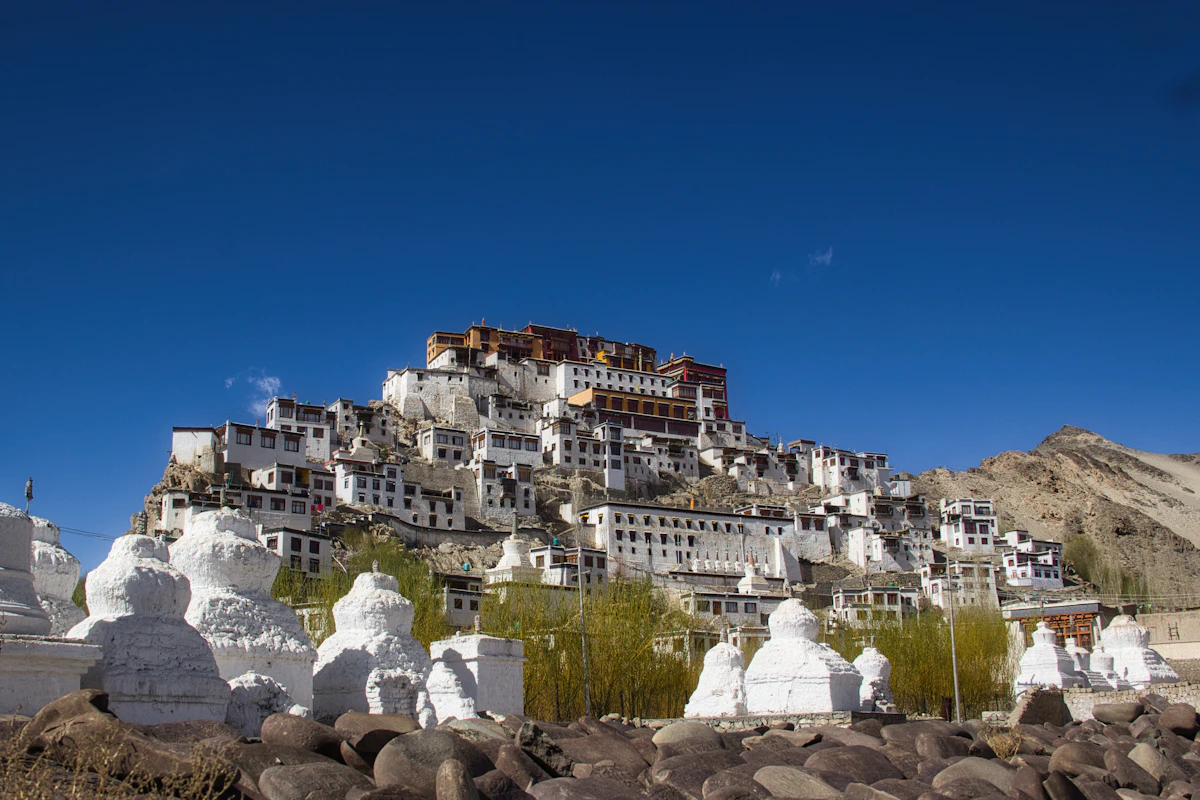
- Day 3: Monasteries of the Indus valley. Thiksey, with its hilltop setting, and Hemis, the largest monastery in Ladakh, with Shey Palace on the way.
- Day 4: Over Khardung La to the Nubra Valley. A pass above 5,300 metres, then down to sand dunes, Diskit monastery and a night at about 3,100 metres.
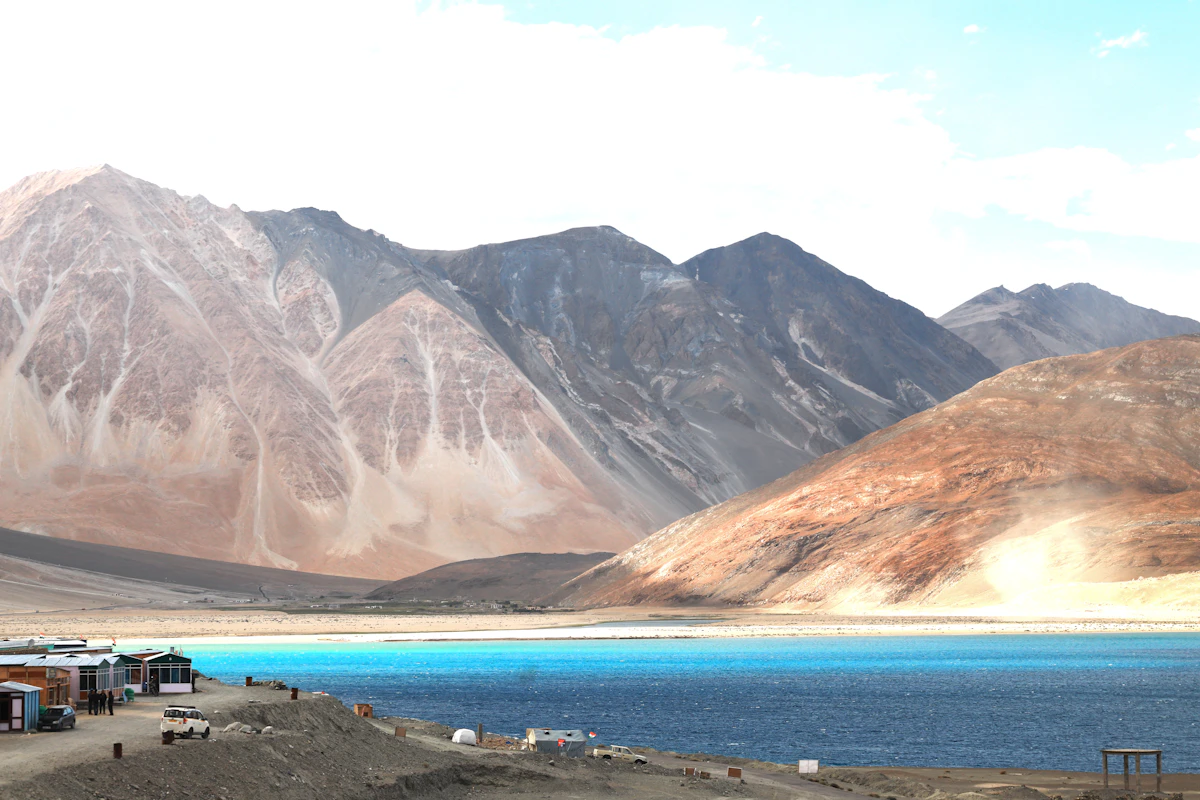
- Day 5: Nubra to Pangong Lake. A long, spectacular drive along the Shyok river when the road is open, to the lake at over 4,200 metres.
- Day 6: Pangong to Leh over Chang La. Sunrise at the lake, then back to Leh for a warm last night.
- Day 7: Fly out. Morning flight to Delhi, connecting home or onward.
With more time, add a night at Pangong, a day for rafting on the Indus, or the monastery festivals at Hemis or Lamayuru, whose dates follow the Tibetan calendar. Our Heavenly Himalayas tour runs nine days and includes rafting.
Who Ladakh suits, and who should think twice
Ladakh suits curious, reasonably fit travellers who like landscape, Buddhist culture and quiet. You do not need to trek; everything above is done by car with short walks.
It suits less well anyone with a heart or lung condition their doctor is unsure about, families with babies or toddlers, and people who only have a week for their whole India trip and also want the Taj Mahal. If that is you, Himachal Pradesh or Spiti at slightly lower altitudes may be a better first taste of the Himalaya; see our Splendors of Himachal and Spiti Valley Adventure tours.
Ladakh rather than Kashmir
We are often asked whether to go to Kashmir or Ladakh. For travellers from the UK and Australia, the answer right now is Ladakh. The UK Foreign Office advises against all travel to the Union Territory of Jammu and Kashmir, and Australia's Smartraveller says do not travel there; both exclude Ladakh, which is a separate territory reached by flying direct from Delhi to Leh. Most travel insurance follows that advice. See our UK guide and Australia guide for details.
Planning your Ladakh trip
Tell us your dates and how active you like to be, and we will send a day-by-day plan with named hotels and a price in US dollars within 24 hours. If you are combining Ladakh with the rest of India, we will put the high-altitude part where it fits best.