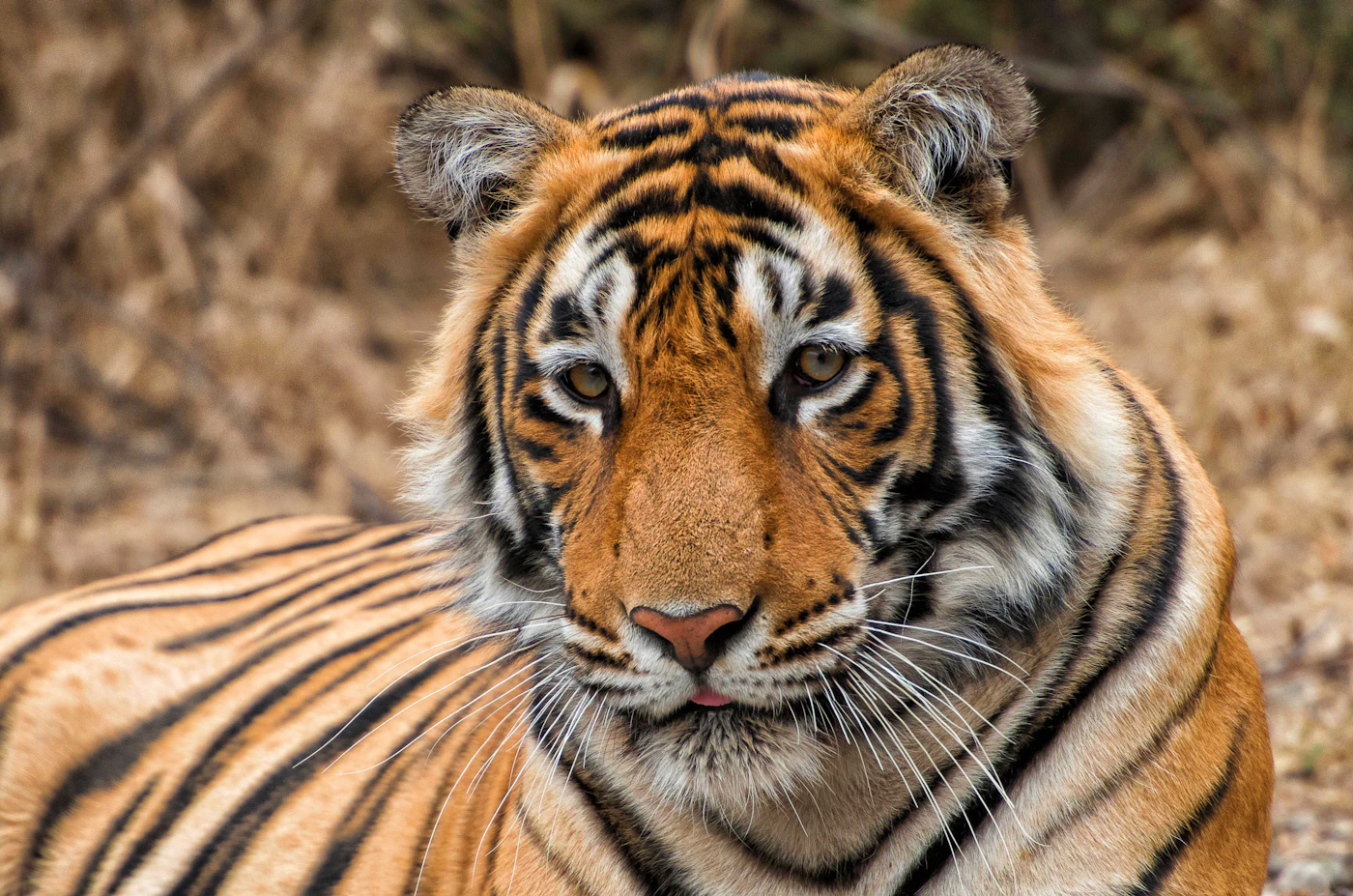
Most of the world's wild tigers live in India, and seeing one from an open jeep is the moment many travellers remember long after the palaces have blurred together. A sighting is never guaranteed. But choosing the right reserve, the right month and enough drives raises your chances a great deal, and that is what this guide is about.
The three reserves at a glance
There are dozens of tiger reserves in India. For a first safari, most travellers choose one of three, and each suits a different kind of trip.
| Ranthambore | Bandhavgarh | Kanha | |
|---|---|---|---|
| State | Rajasthan | Madhya Pradesh | Madhya Pradesh |
| Landscape | Dry forest, lakes and a ruined hilltop fort | Hills, grassland and an ancient fort | Sal forest and wide meadows |
| Best for | Adding tigers to the Golden Triangle | The strongest odds of a sighting | Forest atmosphere and wider wildlife |
| Getting there | Train or road from Jaipur or Delhi | Fly to Jabalpur, then drive; or rail | Fly to Jabalpur, then drive |
| Open | 1 October to 30 June | Mid-October to 30 June | Mid-October to 30 June |
| Our tour | Golden Triangle & Tigers | The Best of Central India | |
Ranthambore: tigers with the Golden Triangle
Ranthambore is the easiest reserve to reach. It sits between Jaipur and Agra, so it slots neatly into a first trip to India. Tigers here walk past the walls of a tenth-century fort and the edges of lakes, which makes for remarkable photographs.
The trade-off is popularity. The park is divided into ten zones, and each safari is assigned one zone; zones 1 to 5 are the core of the park and the most sought after. Morning permits in those zones sell out quickly, so we book them as soon as you confirm.
Bandhavgarh: the best odds
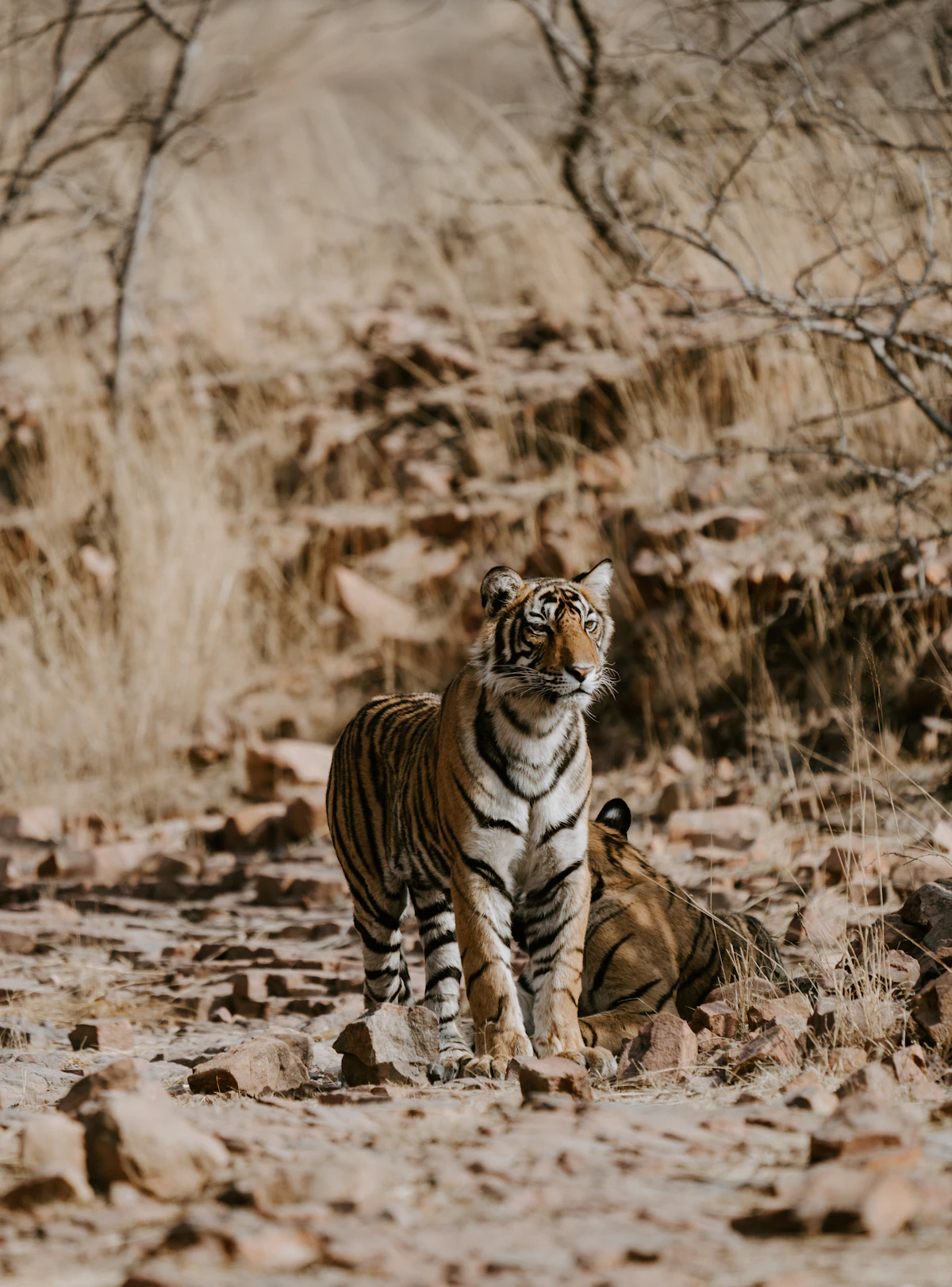
Bandhavgarh in Madhya Pradesh is known for one of the highest densities of tigers in India. Its central hill and fort give the park a dramatic shape, and the grassland valleys below it make tigers easier to spot than in thicker forest.
It takes more effort to reach, usually a flight to Jabalpur and a drive of several hours, but it pairs beautifully with the temples of Khajuraho and with Kanha.
Kanha: forest, meadows and more than tigers
Kanha is larger and greener, with tall sal forest opening into meadows. It is the home of the barasingha, a swamp deer brought back from the edge of extinction here, as well as gaur, wild dogs and leopards. Travellers who love wildlife in general, not only tigers, often rate Kanha their favourite.
Plan for at least four safaris. One drive is a gamble; four gives you a real chance.
How a safari works
- Two drives a day: one at dawn and one in the afternoon, each lasting about three to three and a half hours.
- Vehicles: open six-seat jeeps called gypsies. Ranthambore also runs 20-seat open trucks called canters; we book jeeps wherever permits allow.
- Zones: each permit is for one zone, and you cannot move between zones during a drive.
- Weekly closure: Madhya Pradesh reserves close for one drive each week, usually Wednesday afternoon, so we plan around it.
- Monsoon: core zones close from July to September.
- Ethics: we do not book elephant rides, and our guides keep a respectful distance from animals.
When is the best time to see tigers?
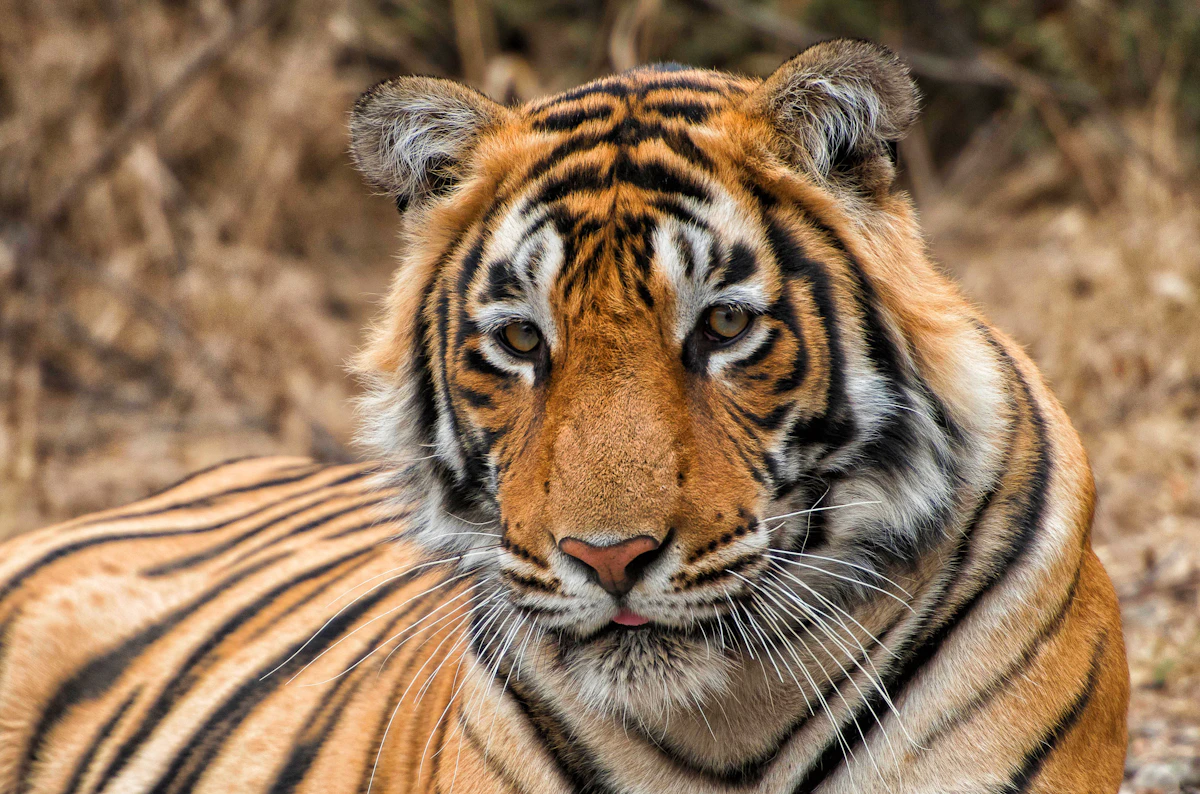
From October to February the weather is pleasant and the forests are green, but early mornings in an open jeep are cold in December and January; bring a warm jacket, hat and gloves. From March to June it gets hot, the undergrowth thins and animals gather at water, so sightings tend to rise. For many photographers, April and May are the months to go, provided you can handle the heat.
How many days do you need?
Two nights and three or four drives is the minimum we suggest at any one reserve. Three nights gives you five or six drives and a calmer pace. Serious wildlife lovers often combine Bandhavgarh and Kanha over five or six nights.
Planning your safari
Tell us your travel dates and how much of your trip you want to give to wildlife. We will suggest the right reserve, book the best available zones as early as permits allow, and send a day-by-day plan with a price in US dollars within 24 hours.