The Malabar Coast has been receiving ships from Arabia, China, and Rome since before Christ, trading spices that were once worth more by weight than gold — and the resulting culture, layered across two thousand years of outside influence, is unlike anywhere else in India.
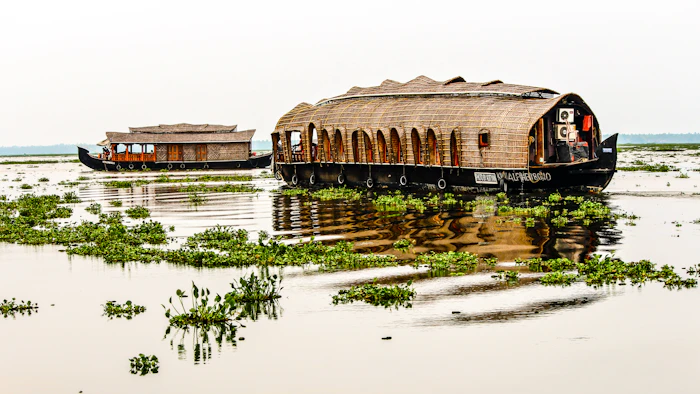
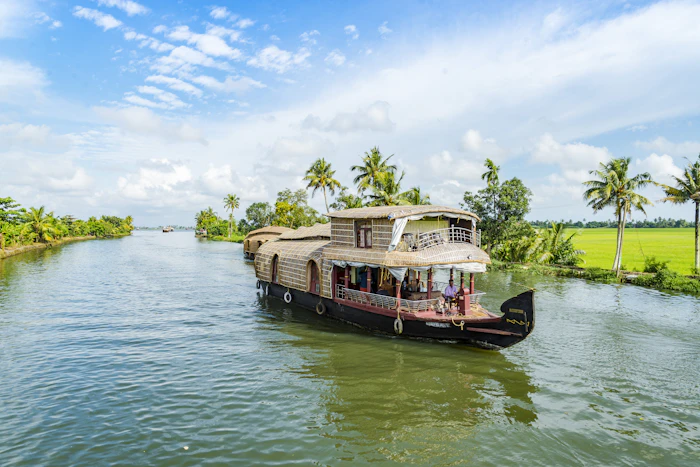
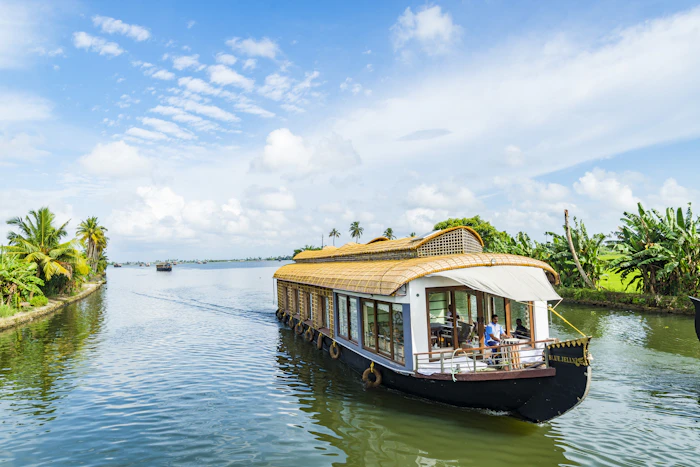
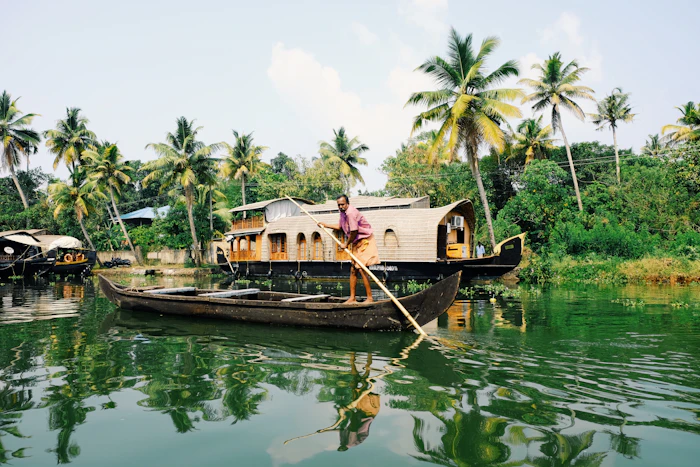
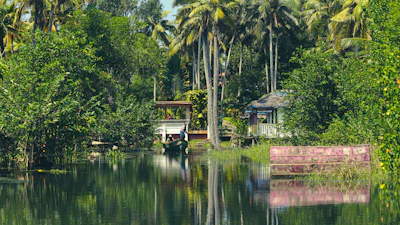
Kerala's backwaters are the defining image, and they earn it: 1,500 kilometres of navigable waterways threading between coconut palms and rice paddies, best experienced from the deck of a converted rice barge moving slowly enough that the egrets barely bother to fly away. But the backwaters are backdrop for a culture that rewards deeper attention — the Kathakali performances that take seven hours of elaborate makeup and decades of training, the Kalaripayattu martial art that predates most Eastern fighting traditions, the synagogue in Kochi's Jew Town that has been in continuous use since 1568.
Kerala's food is the subtlest and most coconut-dependent cuisine in India, shaped by the same spice trade that brought the outside world to this coast. The Malabar Muslim kitchen, the Syrian Christian fish curries of the backwater towns, the vegetarian Sadhya feast served on banana leaves — these are not variations on a single culinary tradition but distinct cooking cultures that happen to share a geography.
The state's classical performing arts — Kathakali, Mohiniyattam, Theyyam — represent some of the oldest unbroken performance traditions in Asia. Theyyam, the ritual possession dances of North Malabar, are conducted by hereditary performers who become, for the duration of the ceremony, the deity they embody — a transformation so complete that devotees seek blessings from the dancer as they would from the god.
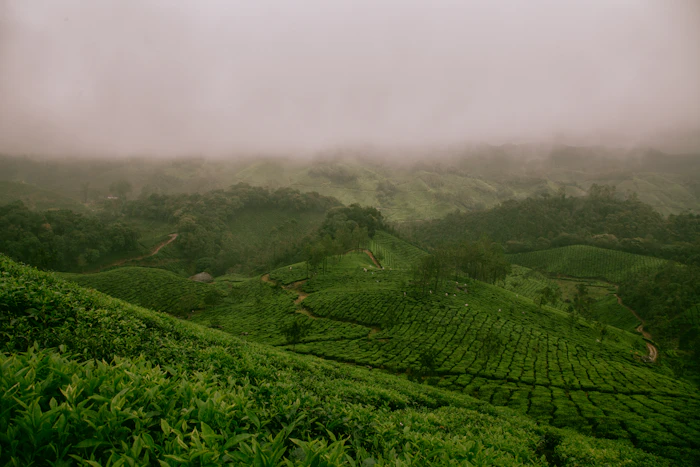
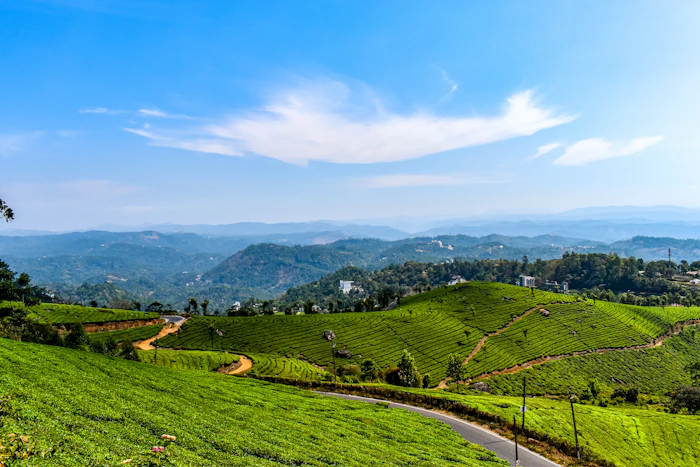
Kerala in Pictures
Tours Featuring Kerala

Ready to experience Kerala?
Tell us your dates and interests. A specialist will send a private itinerary built around Kerala within 24 hours.
