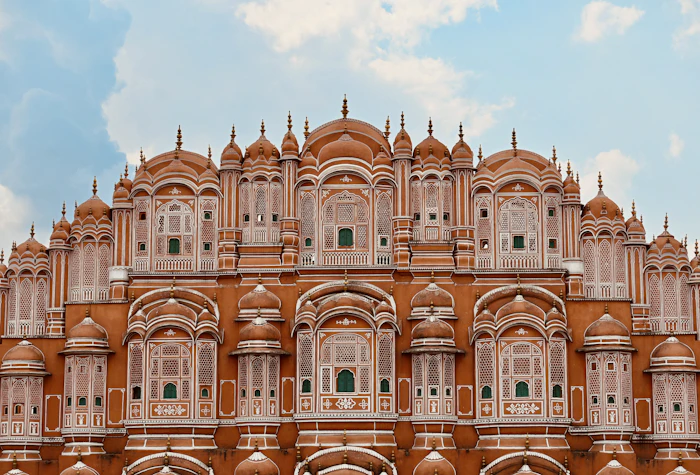
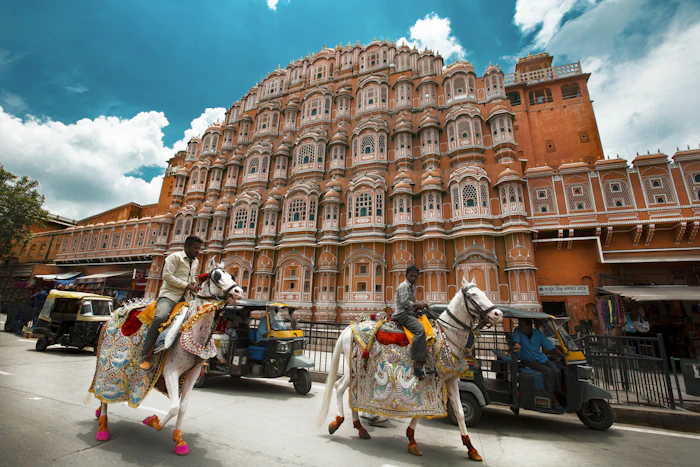
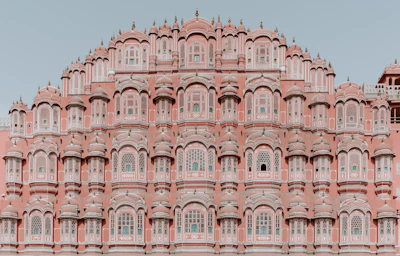
India's most cinematic state is also its most architecturally layered — twenty-two Rajput kingdoms, each building its own capital, each leaving behind a fort or palace that tells the story of a warrior culture that defined Indian history for six hundred years.
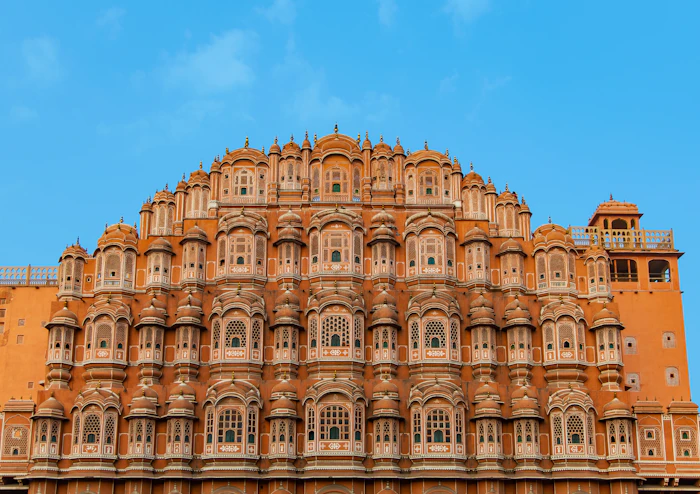
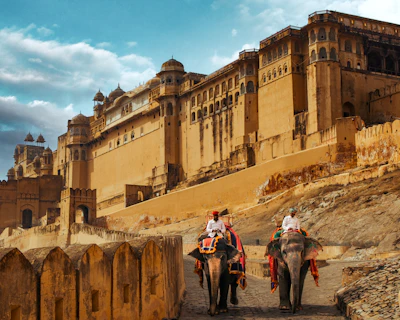
Rajasthan's greatness has a specific source: the Rajput clans who ruled here from the 7th century onward were not consolidating under a single empire but competing with each other, and the competition expressed itself in stone. Mehrangarh in Jodhpur was built by one dynasty, Chittorgarh by another, Amber and Jaipur by a third. The forts are remarkably different in character — Mehrangarh is military and austere, Amber ceremonial and intimate, Chittorgarh vast and tragic, having been sacked three times and each time seeing its women commit collective self-immolation rather than submit to conquest.
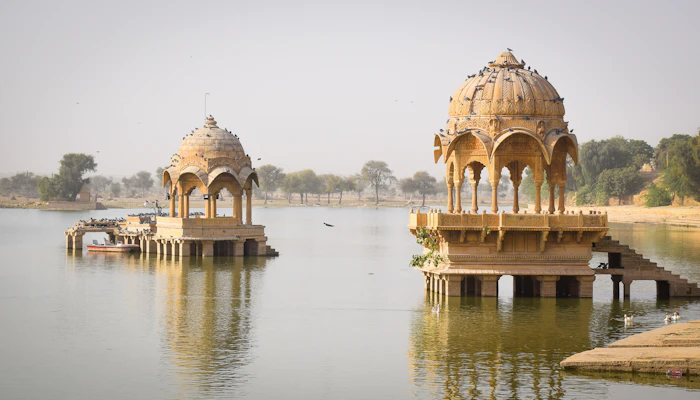
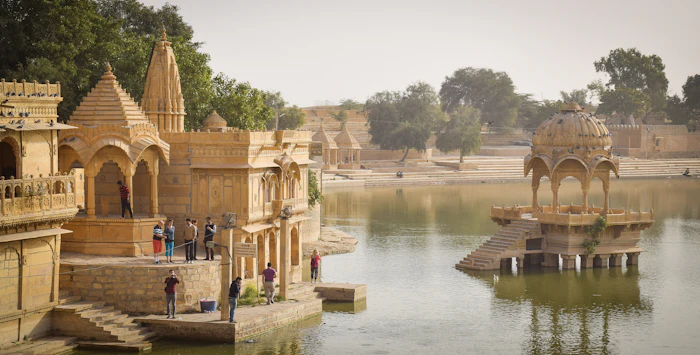
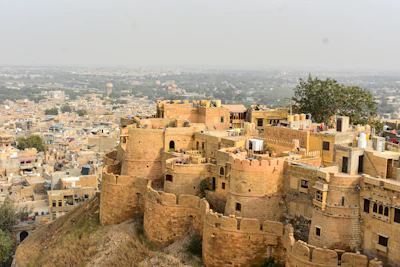
The desert is the other Rajasthan — not the romantic dune-sea of postcards, but a working landscape of camel-drawn carts, migratory birds, and salt flats that turn the light strange in the late afternoon. Jaisalmer sits at its heart: a living walled city where people still inhabit havelis built from golden sandstone that has been quarrying itself into buildings since the 12th century, honey-coloured in daylight and incandescent at dusk.
The craft traditions of Rajasthan — block printing in Bagru, tie-dye in Jodhpur, miniature painting in Udaipur, lacquerwork in Jaipur, blue pottery across the state — are the living continuation of court patronage. The bazaars are real markets: Jaipur's Johari Bazaar trades Rajasthani gemstones to international buyers who fly in specifically to source there.
Rajasthan in Pictures
Destinations in Rajasthan
Tours Featuring Rajasthan
Ready to experience Rajasthan?
Tell us your dates and interests. A specialist will send a private itinerary built around Rajasthan within 24 hours.
