The Kashmir Valley — ringed by some of the highest mountains on earth, watered by the Jhelum river, gardened by Mughal emperors who considered it the closest thing on earth to paradise — is one of the most beautiful pieces of inhabited landscape in Asia.
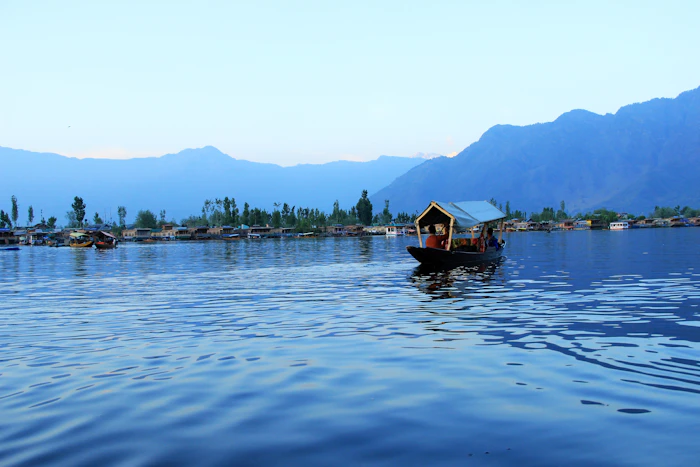
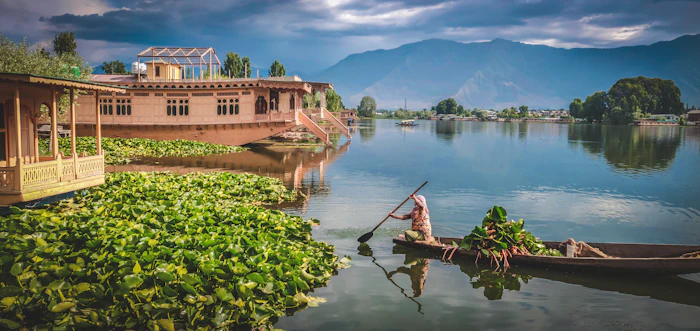
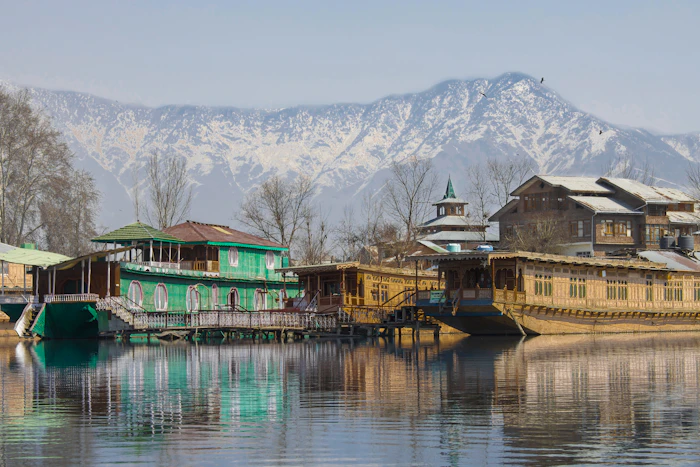
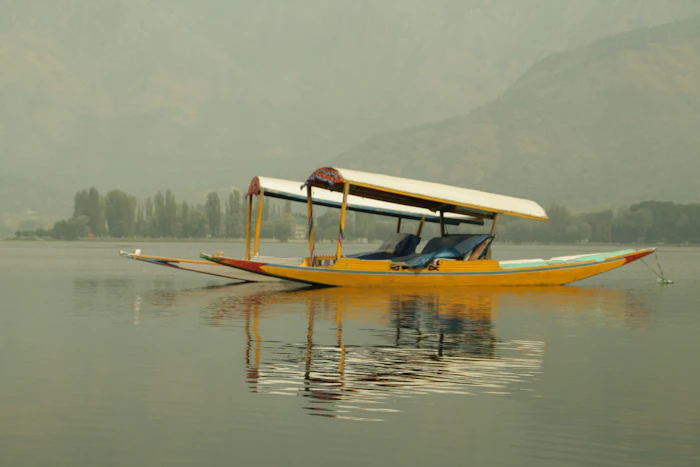
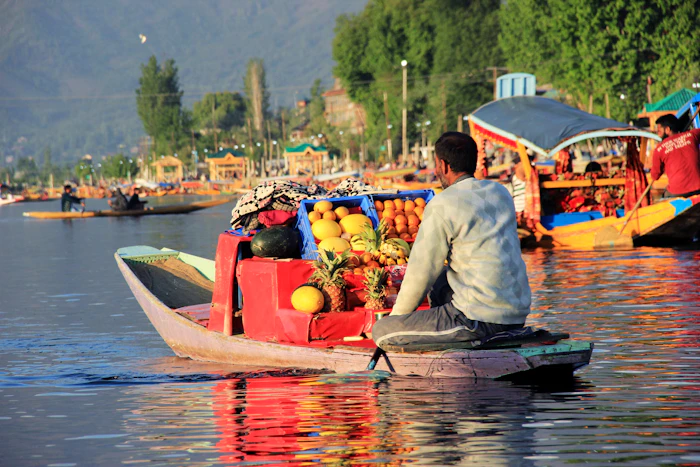
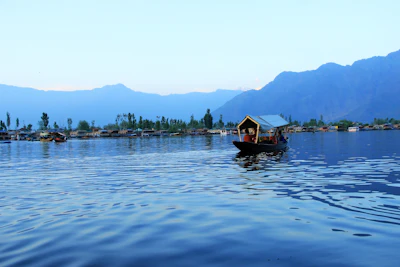
The Mughal emperors came to Kashmir for the same reason visitors come now: the climate, the gardens, and something harder to define — a quality of light and cool water that made the emperors write about this valley less like administrative reports than like love letters. Srinagar's Dal Lake, with its fleet of houseboats that have been receiving guests since the British arrived in the 19th century, is the most emblematic of India's natural attractions — not the most dramatic, but the most achingly beautiful when the mountains are reflected in the water at dawn.
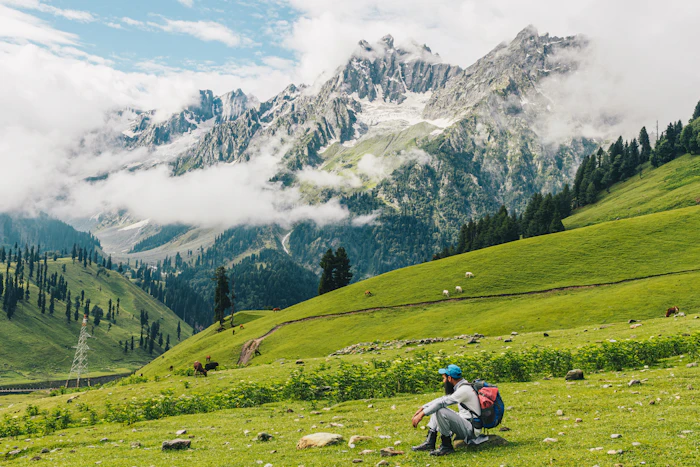
Gulmarg, at 2,650 metres, has one of the world's highest cable car systems and receives enough snow between December and March to make it Asia's most underrated ski resort. In summer, the meadows turn a green so vivid it looks artificially saturated, and the surrounding peaks — Nanga Parbat visible on clear days — provide a backdrop that makes the golf course here the most scenically absurd in the world.
The crafts of Kashmir — the shawls, the papier-mâché lacquerwork, the carpets, the wood-carving — are the product of a culture manufacturing luxury goods for export across Central Asia and Europe long before the Mughals formalised the trade routes. The kani shawl, woven using a system of coded threads that can take a single weaver two years to complete, is among the most technically demanding textiles produced anywhere in the world.
Jammu & Kashmir in Pictures
Tours Featuring Jammu & Kashmir
Ready to experience Jammu & Kashmir?
Tell us your dates and interests. A specialist will send a private itinerary built around Jammu & Kashmir within 24 hours.
