Ladakh is not quite India — or rather, it is India's most extreme version of itself, a high-altitude desert at the junction of three mountain ranges where Tibetan Buddhist culture has survived more intact than in Tibet itself.
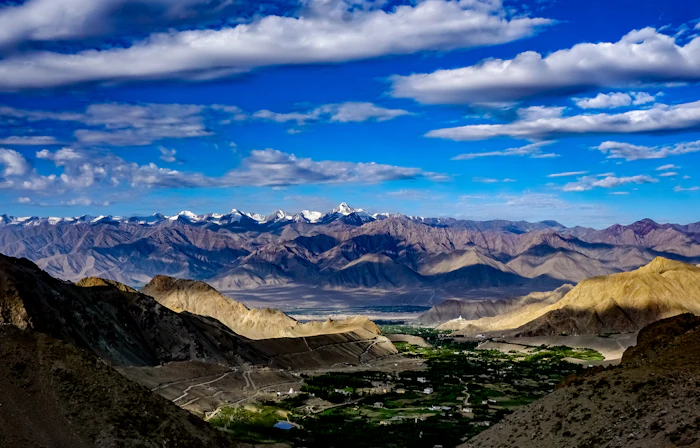
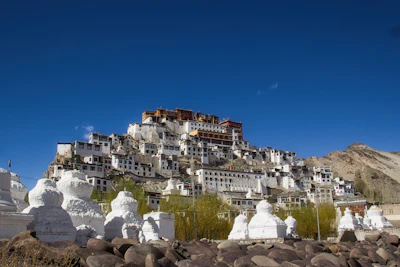
The altitude is not incidental to Ladakh's character — it is its character. At 3,500 metres in Leh, the air is thin enough to make the first two days genuinely uncomfortable, and most experienced guides build mandatory acclimatisation days into any itinerary that includes further ascent. Above Leh, the road to Khardung La passes over 5,300 metres — one of the world's highest motorable passes — and the landscape it traverses is so stripped of atmosphere and vegetation that it looks like a planet still in the process of formation. The monasteries that occupy this terrain — Thiksey, Hemis, Diskit, Lamayuru — do so with an air of profound geological patience, as though the mountains themselves had chosen to become spiritual.
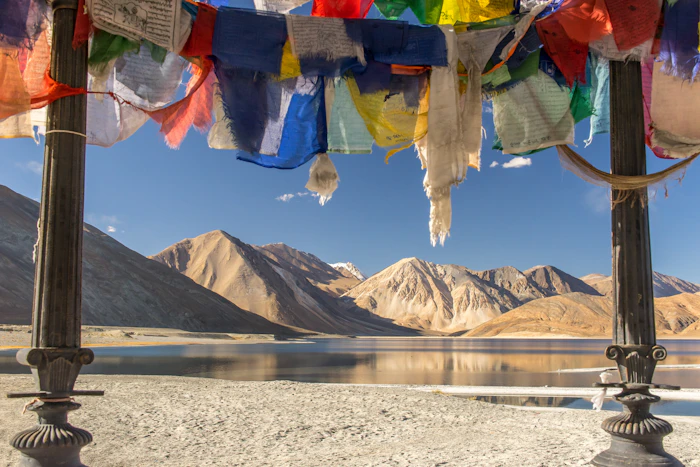
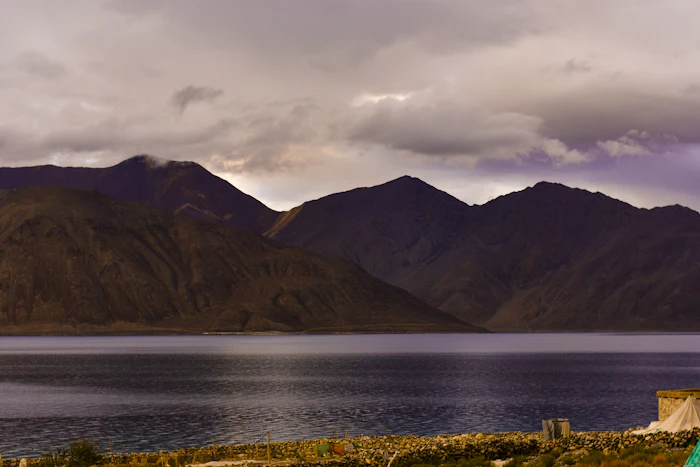
Pangong Lake, at 4,350 metres, shifts through shades of blue and green and turquoise across a single afternoon as the light changes, and its surface reflects a sky so clear and so close that the distinction between lake and atmosphere becomes genuinely blurred. The lake stretches 130 kilometres into China, and the international boundary runs somewhere across its middle, unmarked and invisible. In the lower Indus valley, small farming villages grow apricots and barley at altitudes where, by rights, nothing should grow at all, watered by meltwater channels called zarings that the villagers have been maintaining with collective labour for centuries.
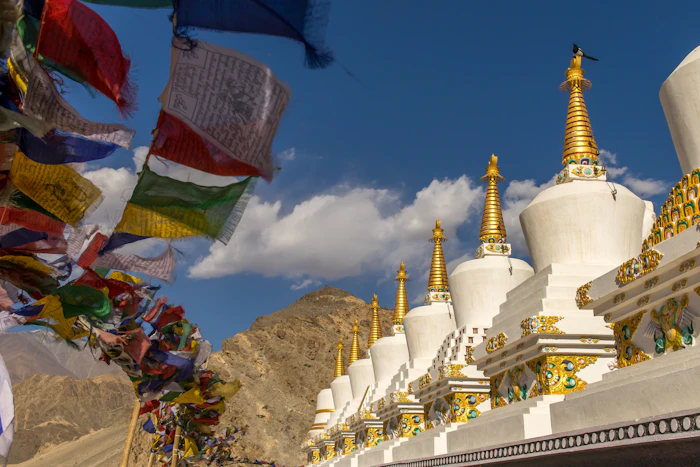
The monastery circuit around Leh traces a cultural geography that extends through Central Asia and Mongolia rather than through the India below. Alchi, the oldest monastery in Ladakh at nearly a thousand years, preserves a style of wall painting influenced by the Central Asian Buddhist tradition — making it unique in the entire Himalayan world and the subject of ongoing study by art historians trying to reconstruct the westward expansion of Buddhist iconography along the Silk Road.
Ladakh in Pictures
Tours Featuring Ladakh
Ready to experience Ladakh?
Tell us your dates and interests. A specialist will send a private itinerary built around Ladakh within 24 hours.
