Madhya Pradesh is the heart of India in the most literal sense — the geographical centre of the subcontinent — and it contains within that central position some of the country's oldest temples, most extraordinary cave paintings, and highest density of wild tigers.
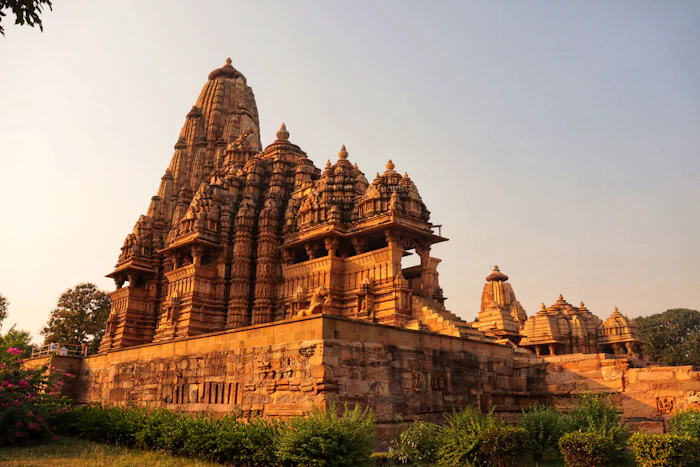
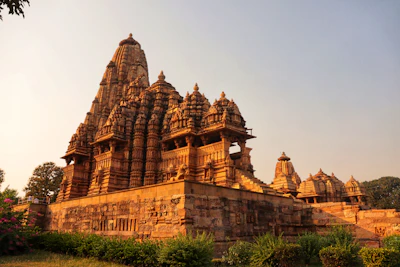
Khajuraho's temples, built by the Chandela dynasty between 950 and 1050 AD, contain some of the finest stone carving ever produced in India. The erotic sculptures that account for perhaps ten per cent of the total programme have been so thoroughly discussed that the other ninety per cent, which is magnificent, frequently goes unmentioned. The apsaras — the celestial dancers who make up the majority of the temple sculptures — demonstrate an anatomical fluency and an emotional specificity — the delicacy of fingers adjusting an anklet, the weight of a body caught mid-dance — that makes the stone feel inhabited rather than decorated.
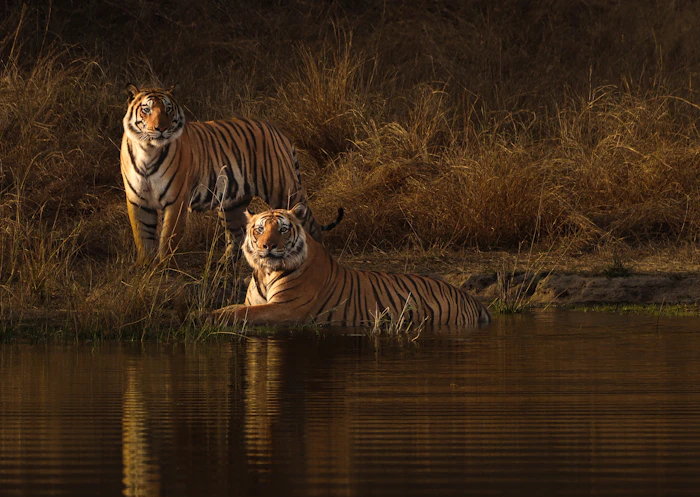
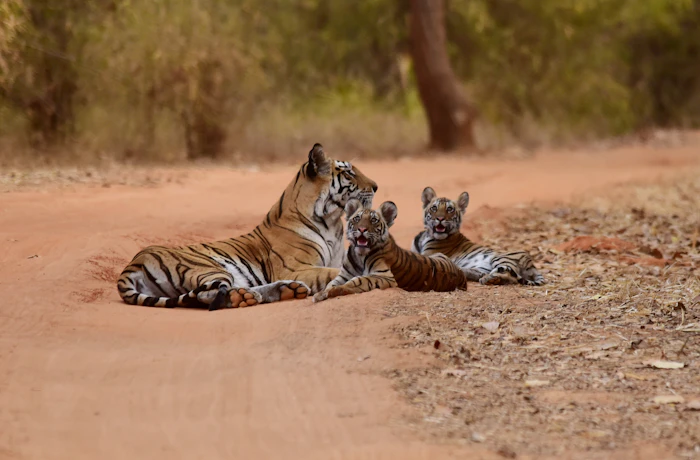
The national parks of Central India — Bandhavgarh, Kanha, Pench, Satpura — operate in a different key entirely from the rest of the state but require the same commitment to deep attention. Bandhavgarh has India's highest tiger density anywhere in a protected area, and its landscape of sal forest and meadow creates a backdrop for wildlife encounters found nowhere else. The ruins of a 2,000-year-old fort on the central hill overlook the meadows where tigers move at dawn.
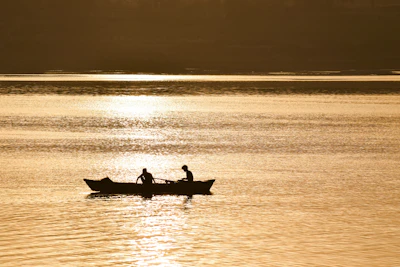
The Narmada river, rising at Amarkantak in the eastern part of the state, is the only river in India circumambulated on foot by pilgrims on both banks — a 3,700-kilometre parikrama that takes three to four years to complete and is still undertaken by thousands of devout Hindus. The river cuts through the Marble Rocks at Bhedaghat near Jabalpur in a gorge of white and grey dolomite that changes colour by the hour and has been drawing landscape painters since the British first documented it in the 19th century.
Madhya Pradesh in Pictures
Tours Featuring Madhya Pradesh
Ready to experience Madhya Pradesh?
Tell us your dates and interests. A specialist will send a private itinerary built around Madhya Pradesh within 24 hours.
