Gujarat has been one of India's most commercially dynamic states since at least the first millennium AD, when Gujarati merchants were trading across the Arabian Sea in networks that predated the Silk Road and outlasted the British Empire.
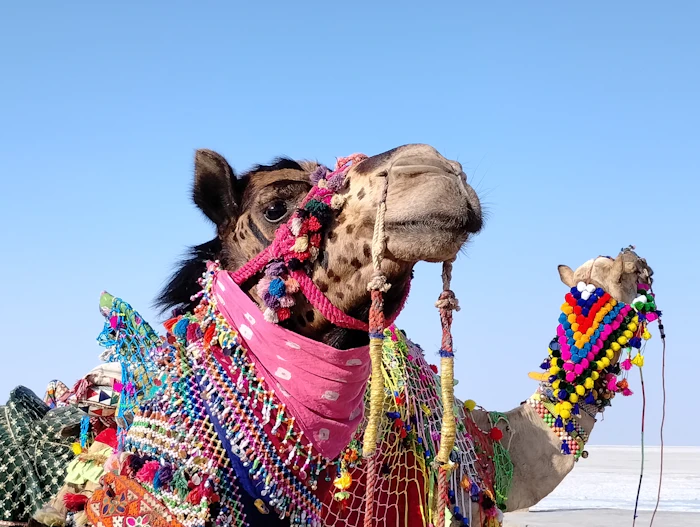
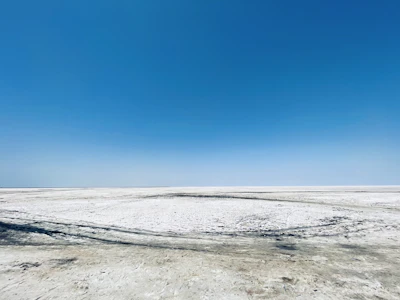
The Rann of Kutch is the single most otherworldly landscape in India: a vast salt flat that runs to the horizon in every direction, white as the surface of a lake in January, navigated by pastoral communities that have been moving their livestock across it for centuries. The Great Rann covers 7,500 square kilometres and contains within it the Banni grasslands — a UNESCO Biosphere Reserve — and the villages of the Maldhari herders whose embroidery is among the most technically accomplished textile work produced anywhere in the world.
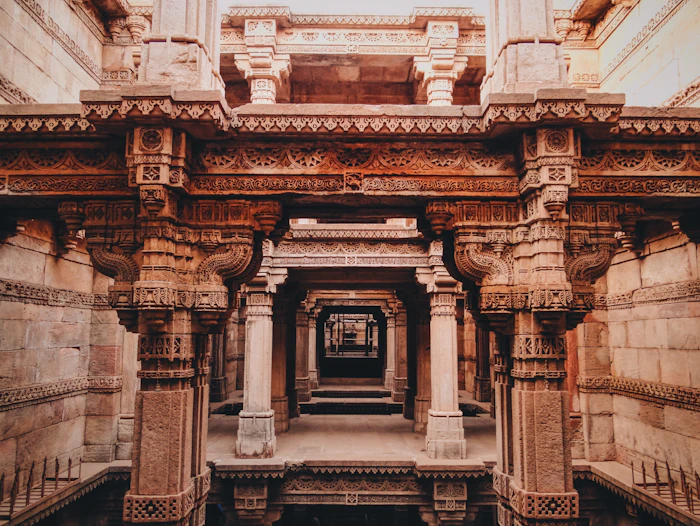
The stepwells of Gujarat — the vav — are the state's most specific architectural contribution to world heritage. The Rani ki Vav at Patan, built in the 11th century as a memorial to a king by his queen, descends seven stories underground through carved corridors lined with 500 major sculptures and over a thousand minor ones. It was built entirely below ground, visible only to those who descend into it — a monument that understood beauty as a form of duty rather than a display.
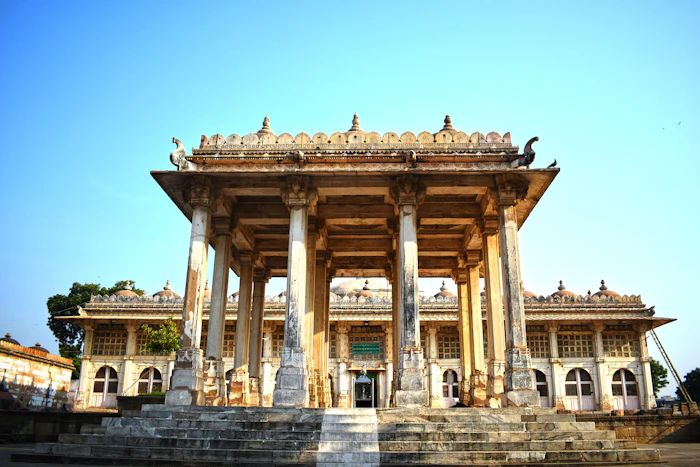
Ahmedabad, India's first UNESCO World Heritage City, preserves the most intact example of medieval Indian urban planning in the country: the pol neighbourhoods, organised by caste and community behind defensible gateways, are the architectural record of how a prosperous medieval Indian city actually organised its domestic life. The Jama Masjid of 1424 combines Hindu and Islamic architectural elements in a synthesis that prefigures the later Mughal style.
Gujarat in Pictures
Tours Featuring Gujarat
Ready to experience Gujarat?
Tell us your dates and interests. A specialist will send a private itinerary built around Gujarat within 24 hours.
