Bhuj was almost entirely destroyed by the January 2001 earthquake, and the city rebuilt since is both a testament to the resilience of the Kutch craft tradition and a case study in what India can do — and sometimes does badly — in the aftermath of catastrophe.
The Aina Mahal, the 18th-century palace of the Kutch rulers, contained one of the most extraordinary interiors in Gujarat — the hall of mirrors filled with Venetian glass ordered by Rao Lakhpat and installed by a craftsman who had learned glassblowing in Venice. The earthquake damaged it beyond full restoration, but the Kutch Museum houses the finest collection of Kutch textiles and metalwork surviving from before the disaster.
The craft villages surrounding Bhuj — Ajrakhpur for block-printed ajrakh textiles, Bhujodi for weaving, Nirona for rogan art, Sumrasar for Rabari embroidery — are where the strongest argument for visiting Kutch is made. These are not demonstration villages but working communities where the craft is both the economic reality and the cultural expression. The Rabari embroideries, made using chain stitch and mirror-work in geometric patterns encoding specific community identities, are produced without patterns, entirely from memory inherited across generations.
Places to Visit in Bhuj
- Aina Mahal
- Prag Mahal
- Kutch Museum
- Bhujodi handicraft village
Things to Do in Bhuj
- Palace architecture tour
- Handicraft village visits
- Local Kutchi embroidery shopping
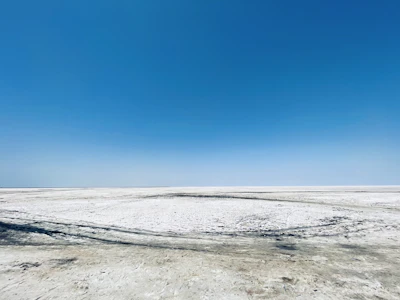
Bhuj in Pictures
Ready to experience Bhuj?
Tell us your dates and interests. A specialist will send a private itinerary built around Bhuj within 24 hours.
