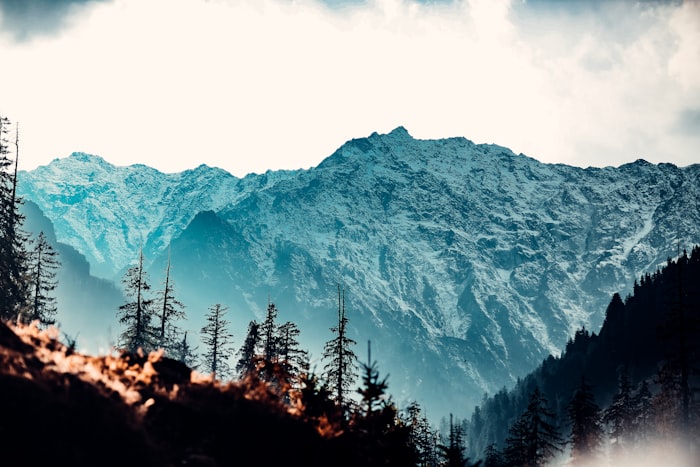
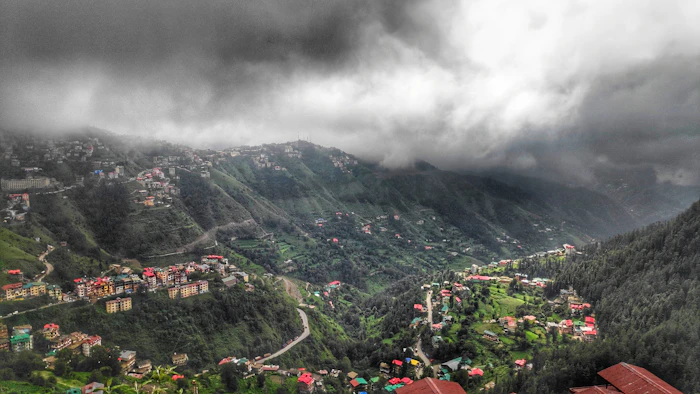
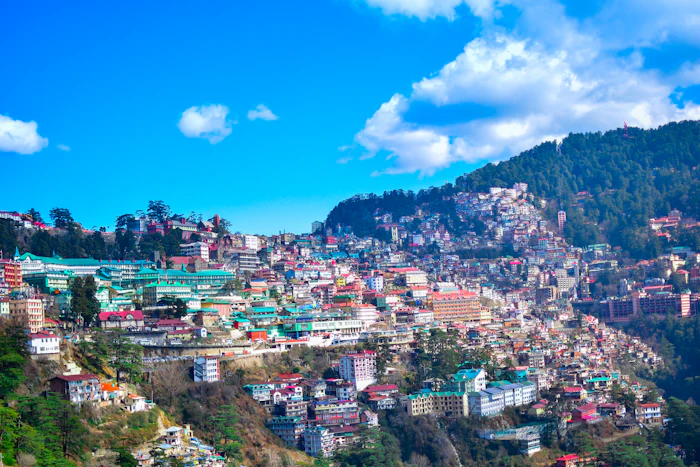
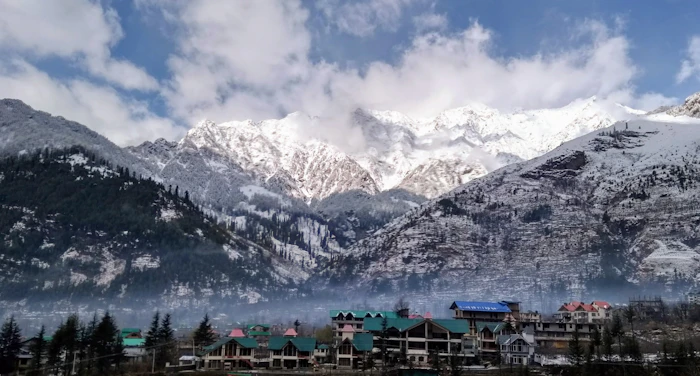
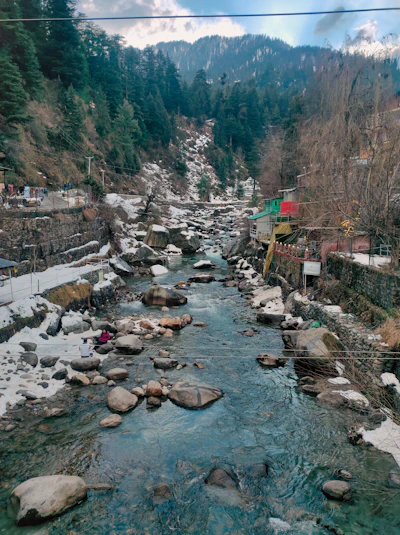
Himachal Pradesh is where the Himalaya becomes inhabitable — terraced hillsides planted with apple orchards at 2,000 metres, cedar forests above them, and above the treeline the high passes that lead to Spiti, the Lahaul valley, and landscapes that belong to Ladakh rather than to the Indian plains below.
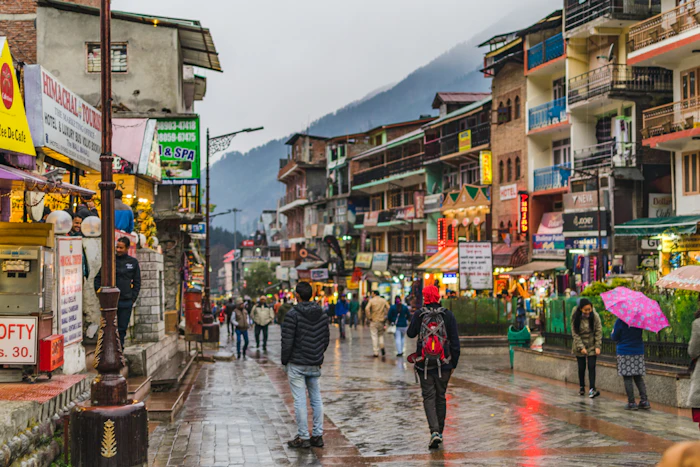
The state contains three distinct travel zones: the lower hills around Shimla and Dharamshala, accessible year-round; the middle ranges of Manali and the Kullu Valley, green in summer and snow-closed in winter; and the high plateau of Lahaul-Spiti, a rain-shadow desert at 3,500 to 4,500 metres reachable only between June and October when the passes clear. Each zone is a different country.
Dharamshala carries the weight of Tibetan exile government — the Dalai Lama has been in residence at McLeod Ganj since 1959 — and the town around his monastery has become the most significant centre of Tibetan culture outside Tibet. The monasteries, the philosophical debate sessions, the medical college, the archives of manuscripts rescued from Tibet — Dharamshala is doing the work of cultural preservation under conditions of genuine urgency.
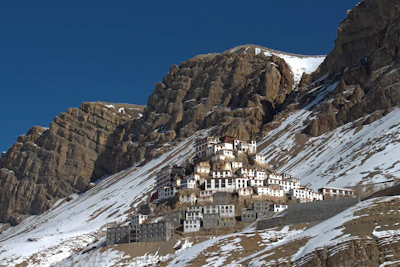
Spiti, at the far end of the state, is the most isolated permanently inhabited valley in India — connected to the outside world by roads open only four months a year, home to monasteries at Key and Tabo that have been continuously occupied since the 10th century. The face of the Buddha in Alchi's ancient assembly hall has a Central Asian physiognomy, a consequence of when — not where — it was painted: the westward expansion of Buddhist iconography along the Silk Road captured in pigment.
Himachal Pradesh in Pictures
Tours Featuring Himachal Pradesh
Ready to experience Himachal Pradesh?
Tell us your dates and interests. A specialist will send a private itinerary built around Himachal Pradesh within 24 hours.
