Spiti is a high-altitude cold desert at the junction of Himachal Pradesh and Tibet that receives enough travellers to have guesthouses and too few to have a crowd — and the monasteries at Key, Tabo, and Dhankar are among the oldest continuously inhabited religious buildings in the Himalayan world.
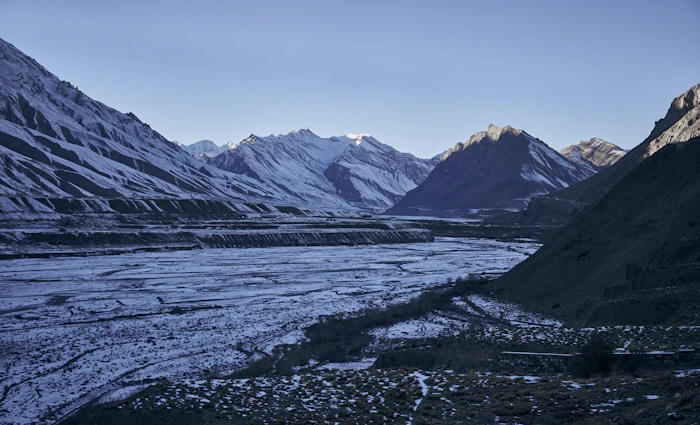
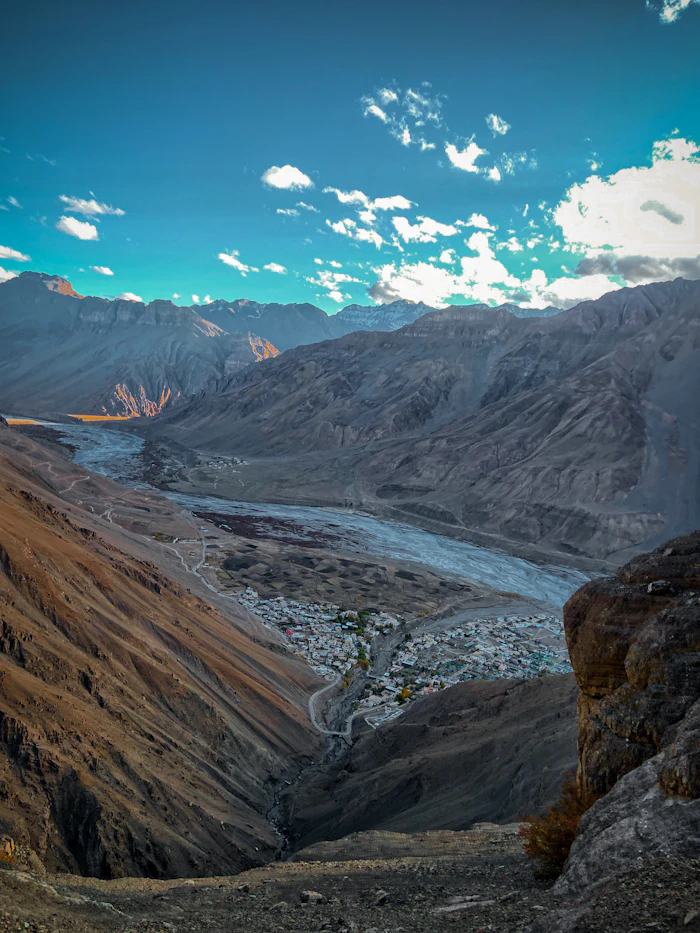
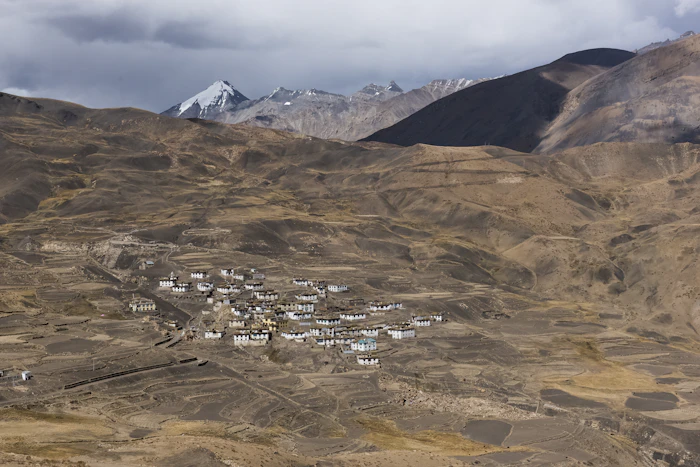
The approach to Spiti from Shimla via the Hindustan-Tibet Highway is one of the most dramatic drives in India — not because the road is particularly good (it frequently isn't) but because each hairpin bend reveals a new geometry of valley and ridge and river. By the time you reach the Spiti valley itself at 3,800 metres, the landscape has resolved into something so stripped of vegetation and human density that it reads as elemental: the river white in its braided channels, the surrounding mountains ochre and grey, the villages small enough to be counted in dozens of families.
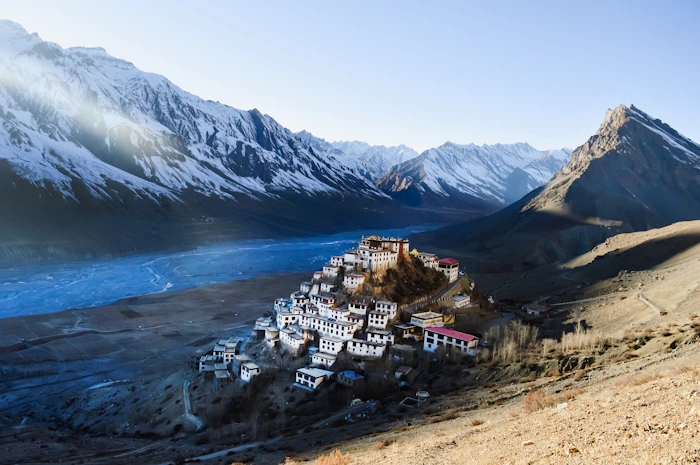
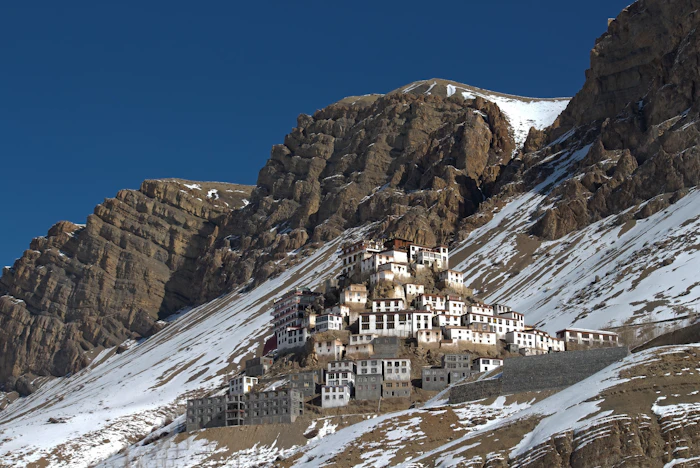
Key Monastery, perched on a hill at 4,166 metres with views down the entire Spiti river, has been the principal monastery of the valley since the 11th century and currently houses around 300 monks. The winter here — six months of snow, temperatures to minus 30 — creates a self-sufficiency that shapes the monastic culture: the monks are not maintaining a heritage institution but inhabiting a working community occupied more or less continuously for a thousand years.
Places to Visit in Spiti Valley
- Key Monastery
- Dhankar Monastery
- Chandratal Lake
- Kaza town
Things to Do in Spiti Valley
- High-altitude monastery visits
- Chandratal Lake camping
- Cold desert landscape drives
Spiti Valley in Pictures
Tours Featuring Spiti Valley
Ready to experience Spiti Valley?
Tell us your dates and interests. A specialist will send a private itinerary built around Spiti Valley within 24 hours.
