Shimla was the summer capital of the British Raj from 1864 to 1947, and the consequence of eighty-three years as the administrative centre of the largest empire in history is that it looks, from certain angles, like a Victorian hill station removed from Derbyshire and placed on a Himalayan ridge at 2,200 metres.
The Mall Road is Shimla's central artery, flanked by colonial-era buildings including the Gaiety Theatre (1887), Christ Church (1857), and the Gorton Castle (1904) — a collection of Gothic Revival, Tudor, and baronial Scottish architecture transplanted to a setting that makes the incongruity productive rather than merely strange. The Viceregal Lodge, now the Indian Institute of Advanced Study, is where the Simla Conventions were signed and where the Partition of India was discussed in 1947.
The Hindustan-Tibet Road, which begins in Shimla and ends (theoretically) in Tibet, is the more interesting legacy of the British presence: built by the Survey of India's engineers through terrain of extraordinary difficulty, it opened the western Himalaya to systematic documentation and was the route by which Kipling's Kim travelled and along which the Great Game was played. Today it leads to Kinnaur and Spiti — still one of the most dramatic drives in India, still following the same alignment through the same gorges that the British engineers chose in the 1850s.
Places to Visit in Shimla
- The Ridge, Shimla
- Mall Road, Shimla
- Viceregal Lodge
- Jakhoo Temple
Things to Do in Shimla
- Colonial architecture walking tour
- Toy train ride from Kalka
- Viceregal Lodge visit
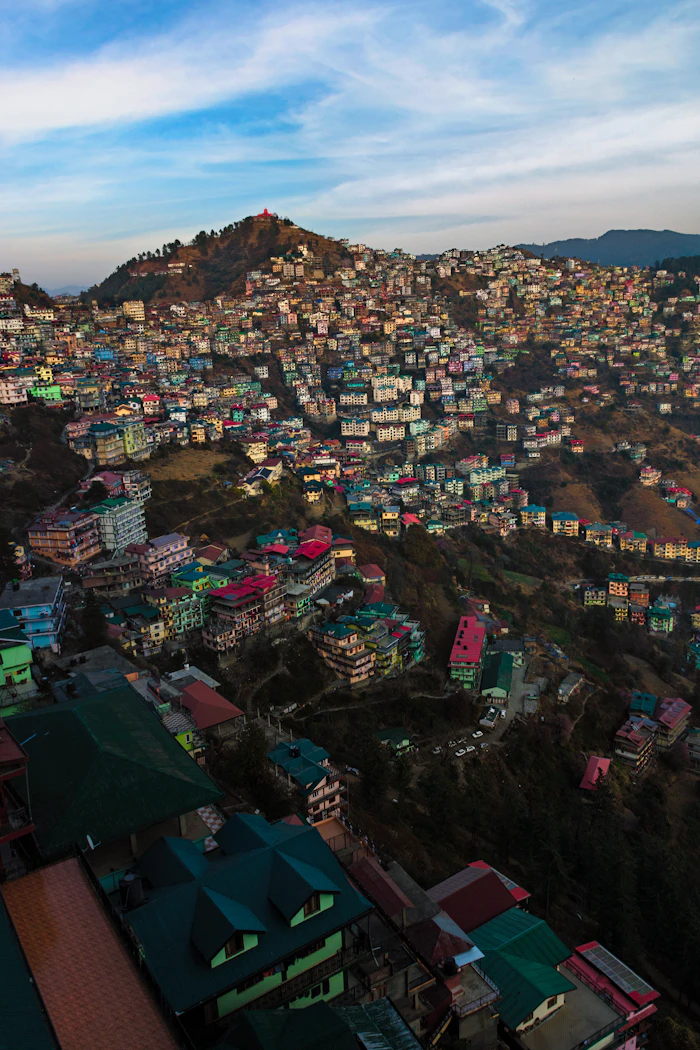
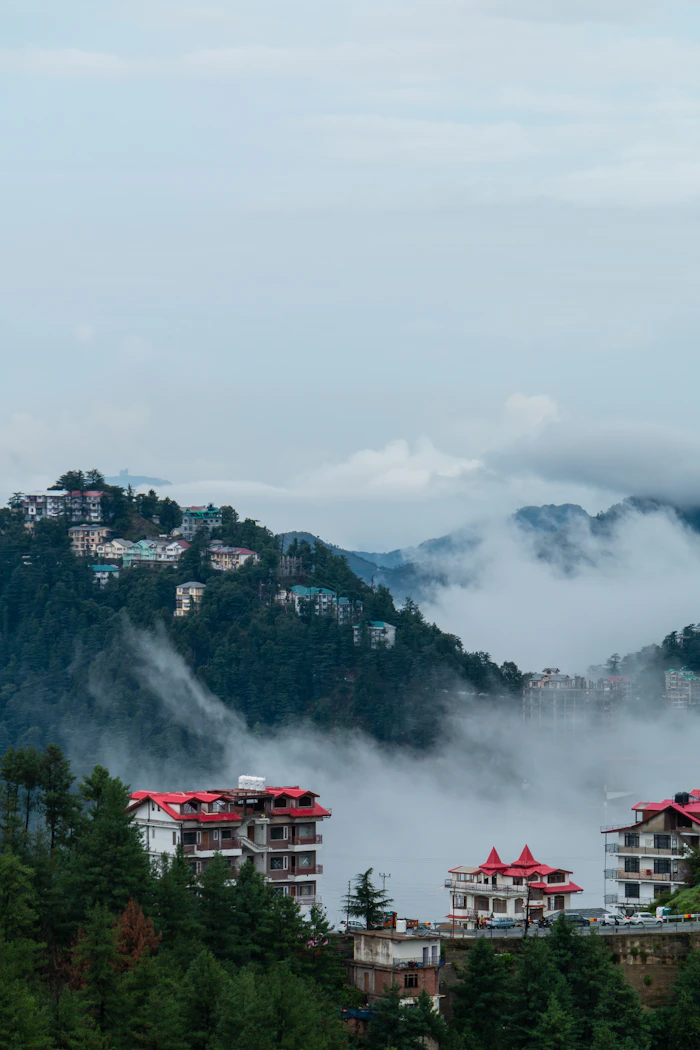
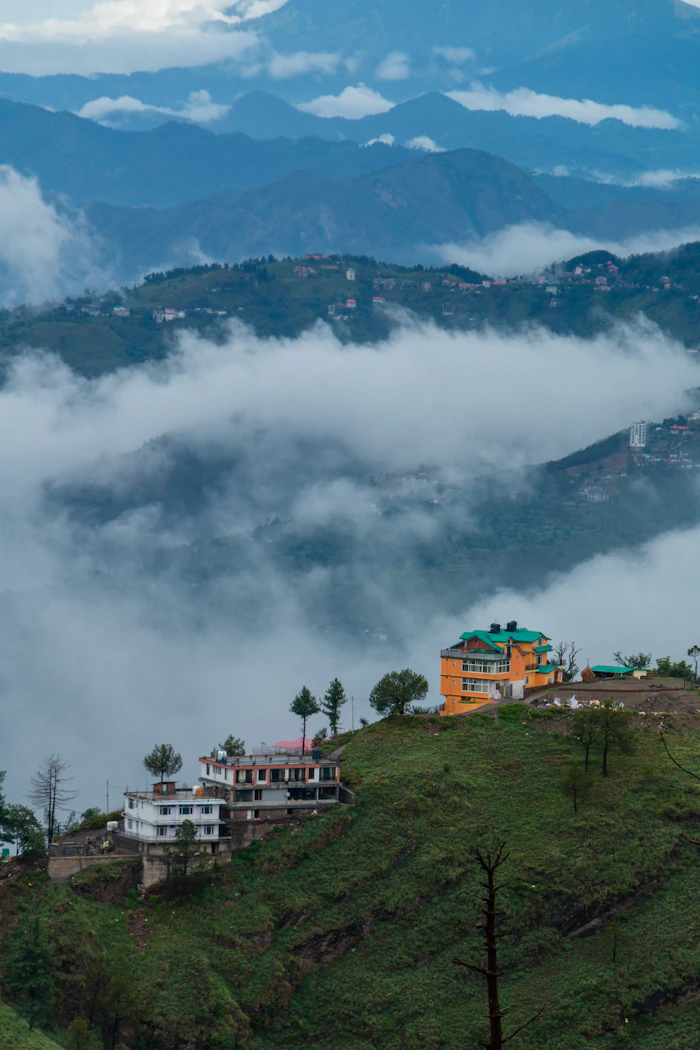
Shimla in Pictures
Tours Featuring Shimla
Ready to experience Shimla?
Tell us your dates and interests. A specialist will send a private itinerary built around Shimla within 24 hours.
