Uttarakhand is where the Ganges and Yamuna emerge from the Himalaya — through gorges so deep and landscapes so vertical that the rivers arrive on the plains with a velocity and a spiritual charge that the entire Hindu tradition has been processing for three thousand years.
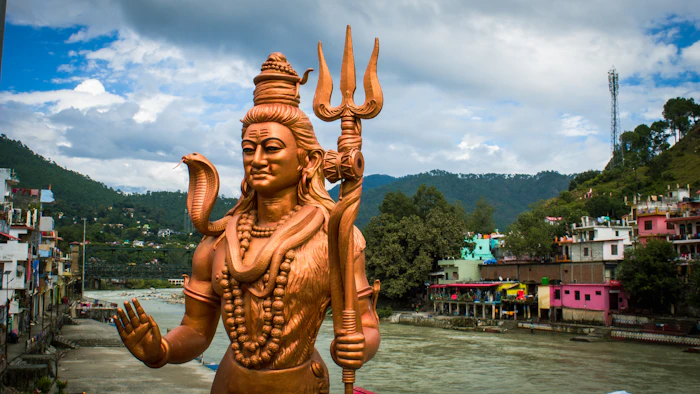
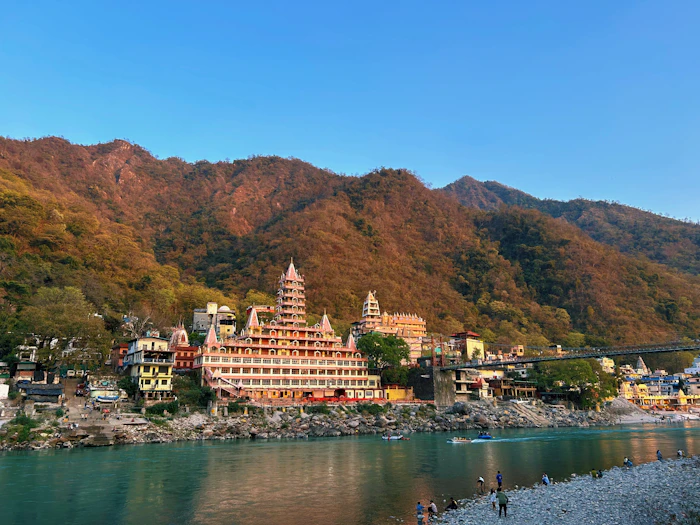
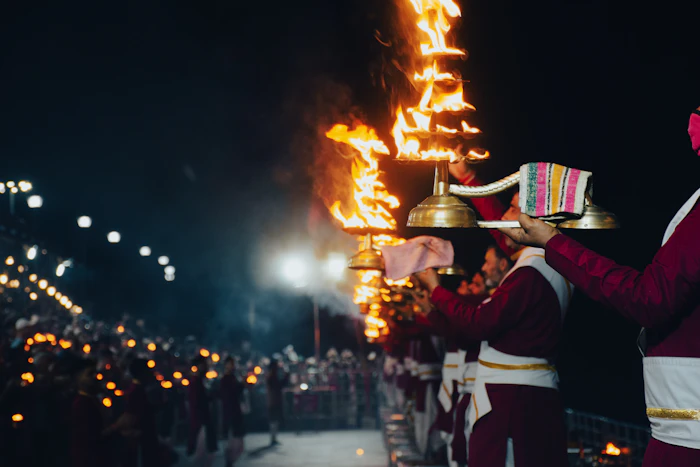
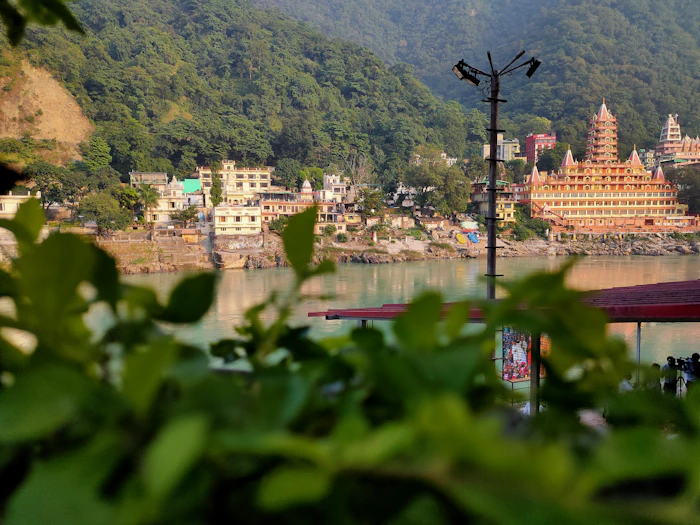
Rishikesh, where the Ganges leaves the mountains, has been a centre of yoga instruction since the 1960s when the Beatles came to study with Maharishi Mahesh Yogi. The ashrams remain, operating with considerably more commercial sophistication, but the river itself — clean enough at Rishikesh to swim in, fast enough to raft — is the real constant. The Ganga Aarti at Parmarth Niketan, performed at dusk by priests releasing lit lamps onto the current, is smaller and more intimate than Varanasi's ritual, and in some ways more powerful for it.
The Valley of Flowers, at 3,600 metres in the Garhwal Himalaya, opens in July and August when the monsoon fills it with 650 species of wildflowers in a display that was described, when first documented by botanist Frank Smythe in 1931, as 'a valley of many-coloured flowers stretching as far as the eye could see.' The description is still accurate. Access requires a two-day trek, which limits visitors to those willing to walk, and the meadow rewards them with a combination of botanical diversity and high-altitude stillness that functions as a corrective to the noise of the rest of the country.
Kedarnath, at 3,583 metres, is one of the most sacred Shiva shrines in India and one of the most difficult to reach — an 18-kilometre trek from Gaurikund through forest and alpine meadow and stone moraine. The temple, which survived the catastrophic 2013 floods that destroyed everything around it, sits against a backdrop of the Kedarnath glacier in a setting so extreme that the pilgrimage itself is inseparable from the spiritual logic. The shrine is open only between May and November; for the rest of the year it is buried under snow.
Uttarakhand in Pictures
Tours Featuring Uttarakhand
Ready to experience Uttarakhand?
Tell us your dates and interests. A specialist will send a private itinerary built around Uttarakhand within 24 hours.
