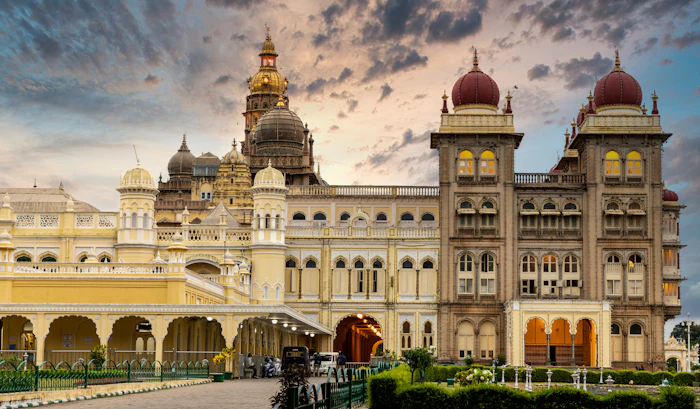
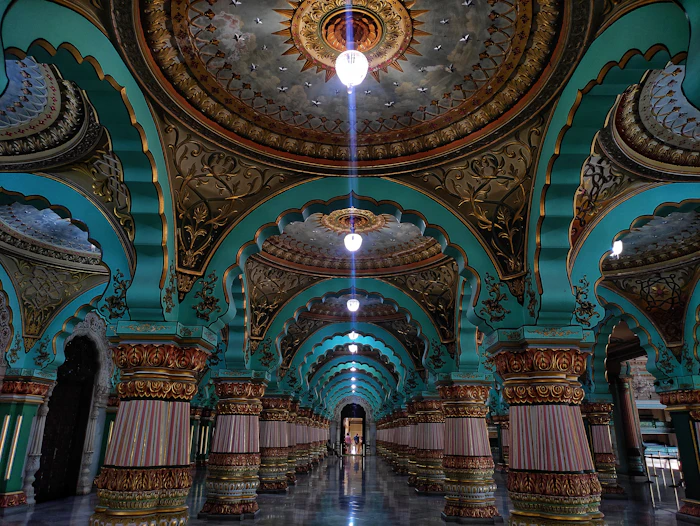
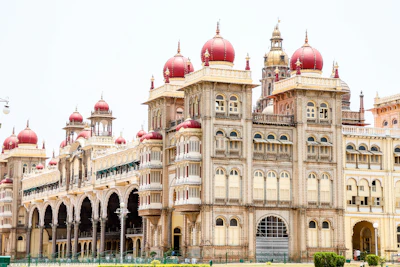
Karnataka quietly contains some of India's greatest historical ruins, its most biodiverse hill country, and a city — Mysore — that stages a royal procession every October that has been running continuously since the 14th century.
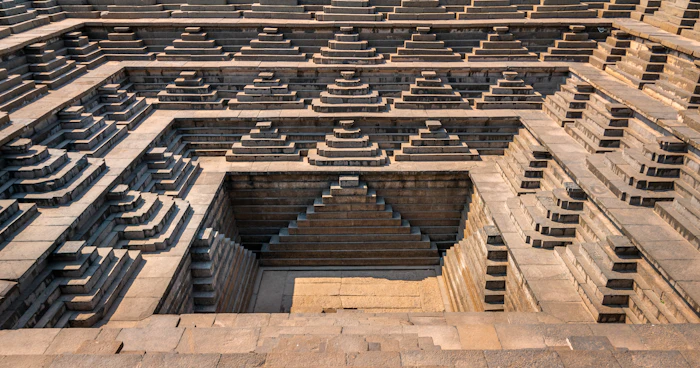
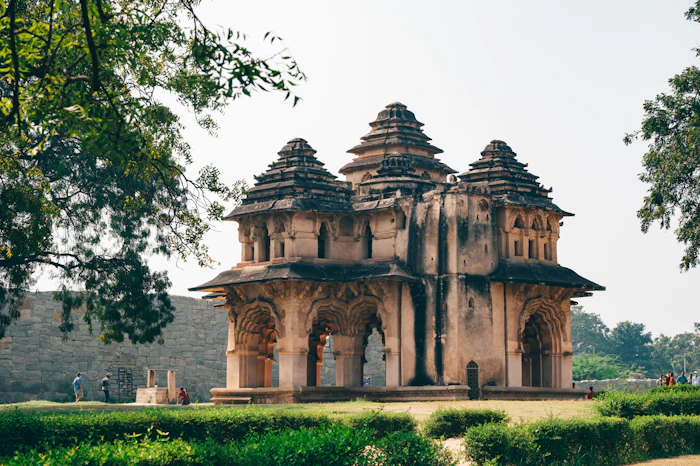
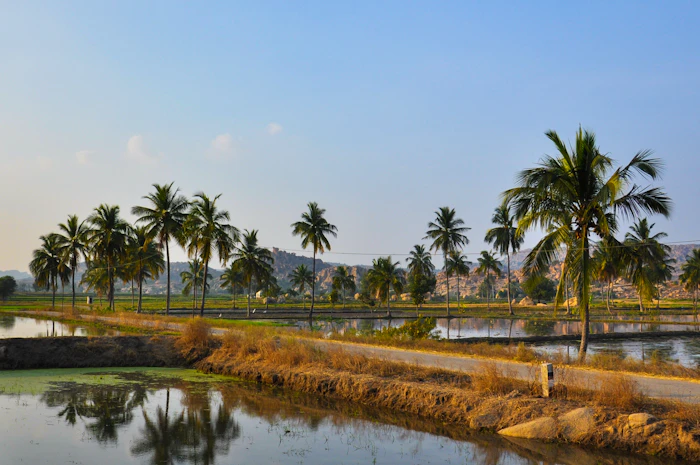
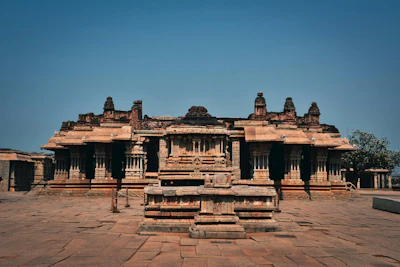
Hampi is Karnataka's most remarkable place and one of the most remarkable places in India: the ruined capital of the Vijayanagara Empire, which at its 15th-century peak was among the largest cities in the world with an economy centred on trade in cloth, spices, and horses. The ruins cover 26 square kilometres of an already surreal landscape — enormous granite boulders rounded by water millions of years before any human arrived, scattered across red earth in configurations that look sculptural until you notice the actual sculptures emerging from their bases.
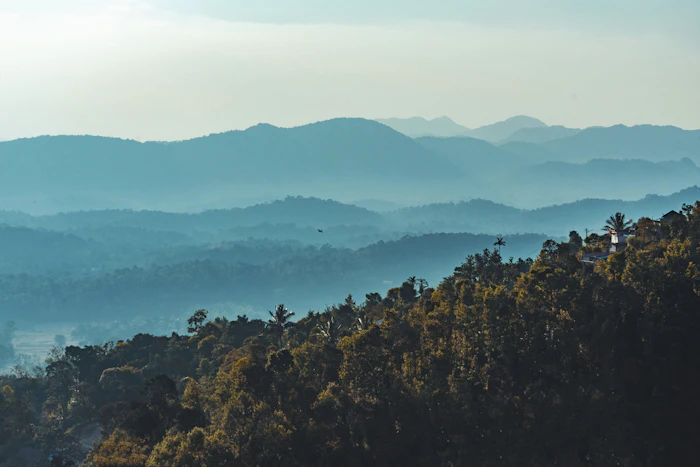
Coorg — officially Kodagu — is Karnataka's least expected pleasure: a hill district so self-contained in its culture, its food, and its sense of itself that it feels like a country within a country. The Kodava people have their own language, their own distinctive cuisine built around pork and river fish, and a martial tradition that has produced a disproportionate number of Indian Army officers. The coffee estates that cover the hills are worked by the same families that planted them in the 19th century, and staying on one is among the most satisfying agricultural experiences in the country.
The temples of Belur and Halebidu, built by the Hoysala dynasty in the 12th century, represent the most intricate stone carving tradition in India: walls covered from base to eaves with continuous friezes of elephants, horses, scrollwork, and celestial figures, each figure individually modelled with a precision that made the carvers sign their work. The star-shaped plan of the temples — a Hoysala innovation — creates the maximum surface area for this carving, and the logic becomes clear when you understand that every millimetre of available stone was always going to be used.
Karnataka in Pictures
Tours Featuring Karnataka
Ready to experience Karnataka?
Tell us your dates and interests. A specialist will send a private itinerary built around Karnataka within 24 hours.
