Bombay — the name Mumbai officially replaced in 1995, though both are still used — is the most vertical, most plural, most cinematically organised city in India, a financial capital that runs the world's most prolific film industry and produces more formal economic output than the next three Indian cities combined.
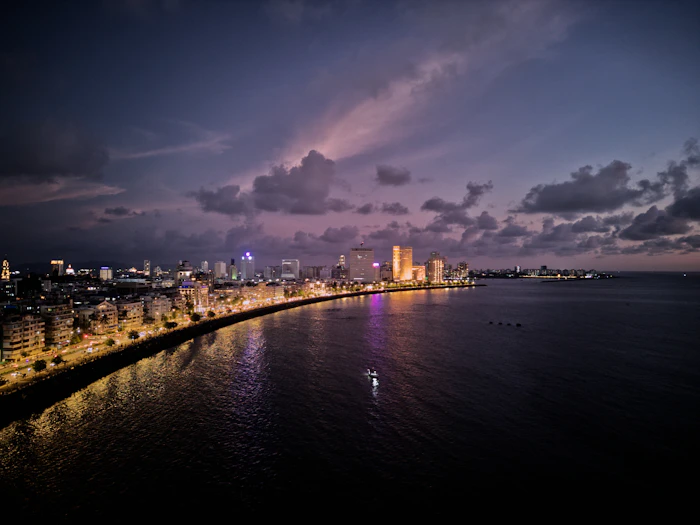
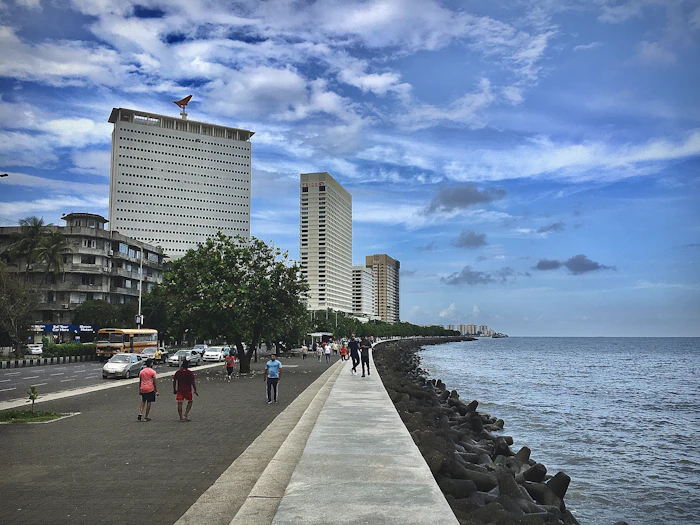
The city's best architecture is a conversation between the Victorian Gothic of the colonial era and the Art Deco that replaced it in the 1930s and 1940s — both traditions present within a few hundred metres of each other at Chhatrapati Shivaji Maharaj Terminus, the railway station the British built in 1887, listed by UNESCO in 2004 as 'a unique fusion of Indian and Victorian Gothic Revival styles.' Together with the Art Deco apartment blocks of Marine Drive, they form a World Heritage Site that is also, on any given weekday morning, one of the busiest places on earth.
Dharavi, the neighbourhood in the centre of the city, is more accurately characterised as one of the world's most productive informal economies: a recycling and manufacturing district that processes 80 percent of Mumbai's recyclable waste, producing plastic pellets, aluminium castings, finished garments, and leather goods in a supply chain that feeds the formal economy above it. The area generates an estimated $700 million in annual economic output — a figure that most small countries would be content with.
Places to Visit in Mumbai
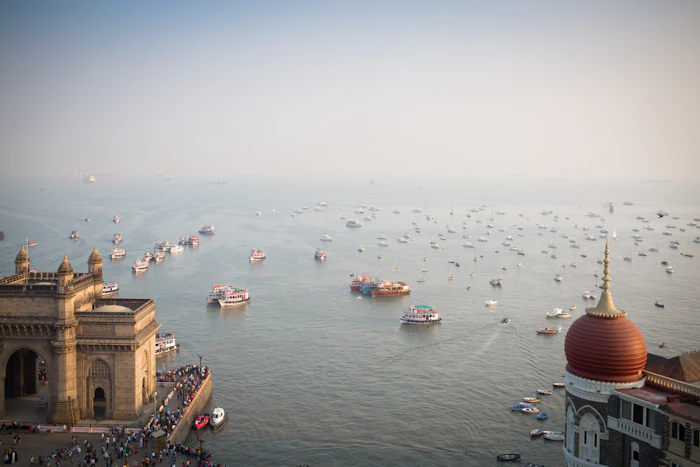
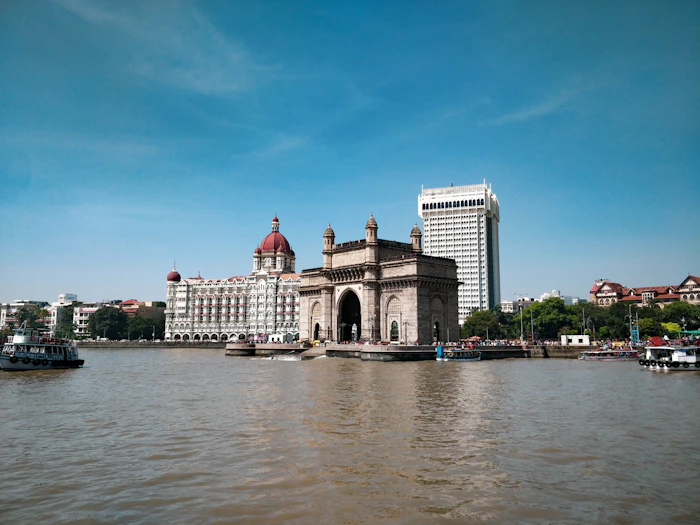
- Gateway of India
- Marine Drive
- Chhatrapati Shivaji Terminus
- Elephanta Caves
Things to Do in Mumbai
- Heritage architecture walking tour
- Sunset at Marine Drive
- Local street food trail
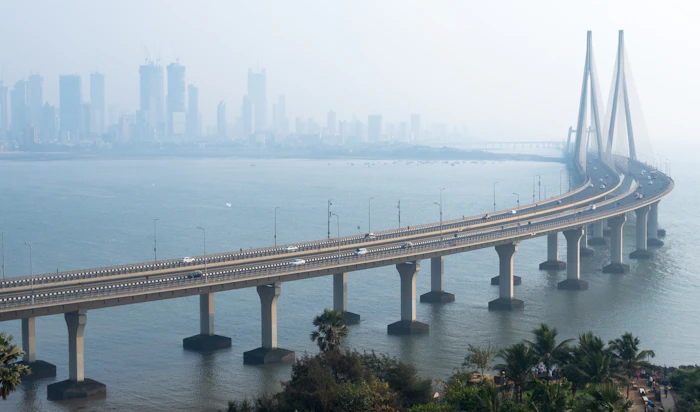
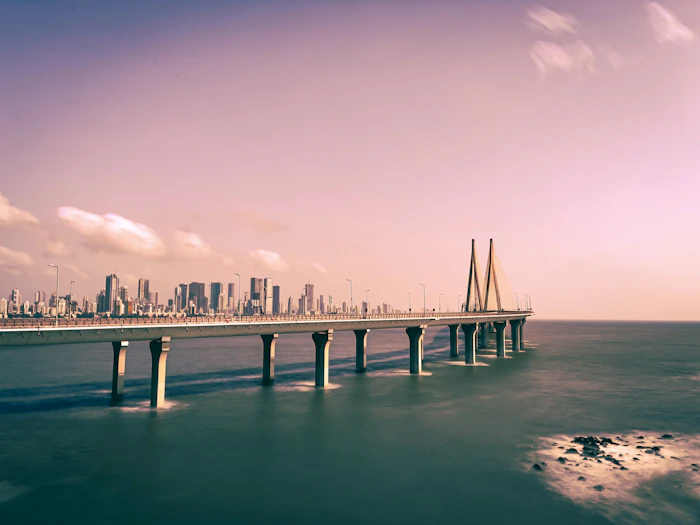
Mumbai in Pictures
Tours Featuring Mumbai
Ready to experience Mumbai?
Tell us your dates and interests. A specialist will send a private itinerary built around Mumbai within 24 hours.
