Delhi has been the capital of India seven times across a millennium — and unlike most layered cities where earlier strata are buried, Delhi's older cities are still standing in the middle of the new one, each layer requiring a different kind of attention.
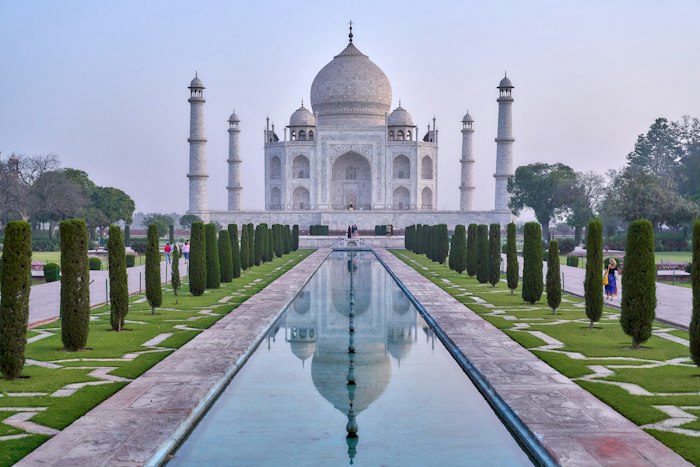
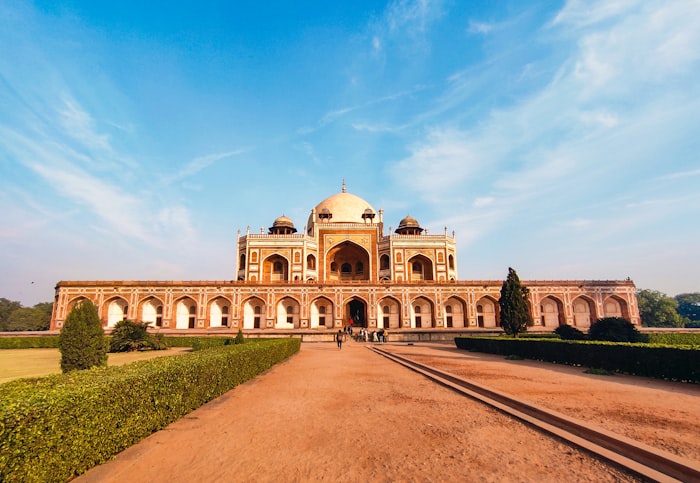
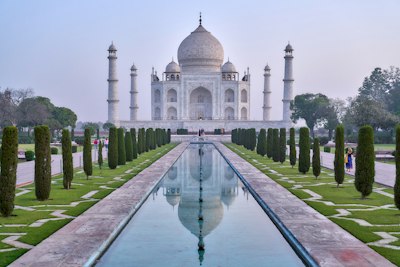
The Qutb Minar — 72.5 metres of fluted sandstone begun in 1193 — is the starting point for Delhi's architectural story, rising from the ruins of twenty-seven Hindu and Jain temples whose carved columns are visible in the nearby mosque complex, the materials of one civilisation repurposed by the next. Humayun's Tomb, built in 1565 and clearly the prototype for the Taj Mahal eighty years later, sits in a formal Mughal garden that has been in continuous care for four and a half centuries.
Chandni Chowk, the bazaar street that Mughal princess Jahanara Begum planned in 1648, is Delhi at its most immediate and overwhelming. The specific lanes of specific trades — silver in Dariba Kalan, spices in Khari Baoli, wedding tinsel in Kinari Bazaar — have been in the same locations since the Mughal era. Navigating them is a form of time travel dressed as shopping. Khari Baoli is the largest wholesale spice market in Asia and smells like it, turmeric dust and dried chillies and cumin seed mixing in lanes devoted to this trade since the 17th century.
Places to Visit in Delhi
- Red Fort
- Humayun's Tomb
- Qutub Minar
- Jama Masjid, Delhi
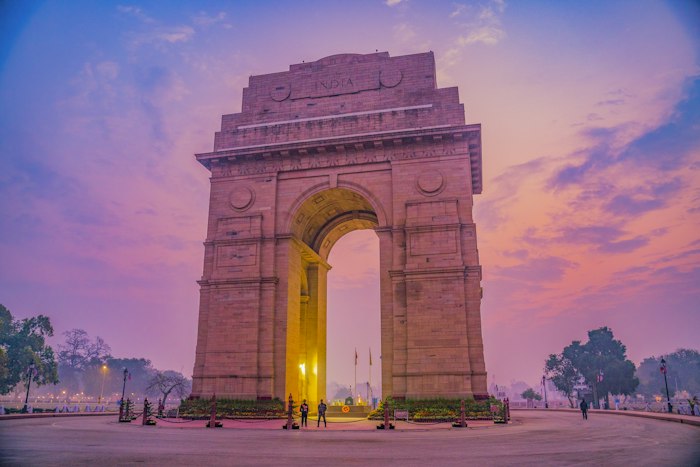
- India Gate
- Chandni Chowk
Things to Do in Delhi
- Old Delhi food and rickshaw tour
- Red Fort sound and light show
- Humayun's Tomb heritage walk
- Chandni Chowk bazaar exploration
Delhi in Pictures
Tours Featuring Delhi
Ready to experience Delhi?
See our curated tours that include this destination.