Aurangabad was the Mughal emperor Aurangzeb's capital for twenty-five years and retains, in its monuments and culture, traces of a court that was simultaneously the last great Mughal flowering and the beginning of the empire's irreversible decline.
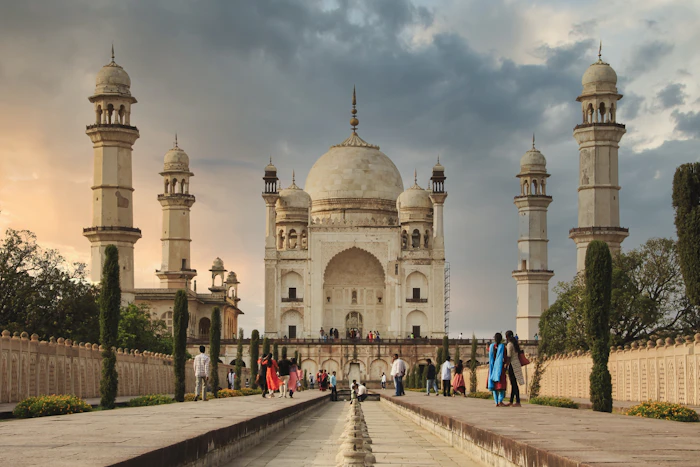
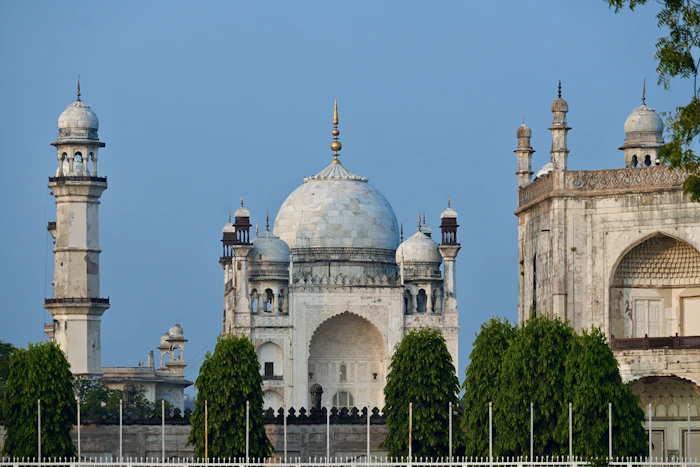
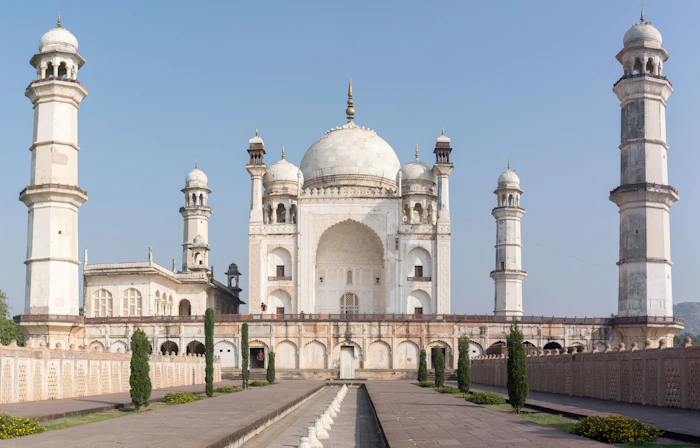
The Bibi ka Maqbara, built in 1678 for Aurangzeb's mother, is called the 'Taj of the Deccan' — the proportions are correct, the marble genuine, and the setting in a formal Mughal garden true to type — but the budget was clearly smaller than the Taj Mahal's, and the marble facing gives way to plasterwork in the details. It is, despite this, a beautiful building that would be among the finest Mughal tombs in India if it were not located forty kilometres from Ajanta and ninety from Ellora.
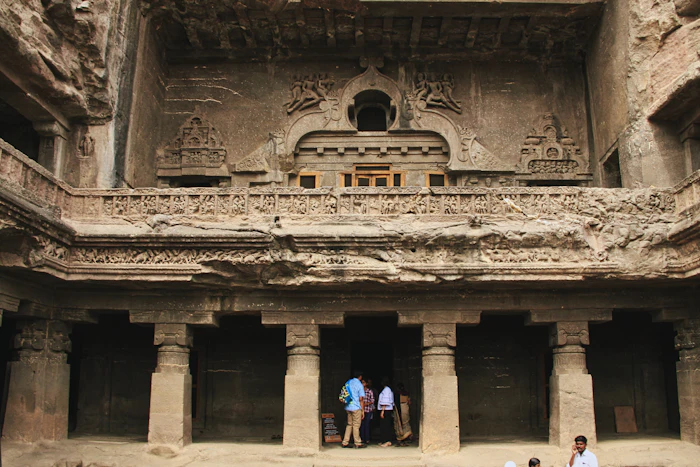
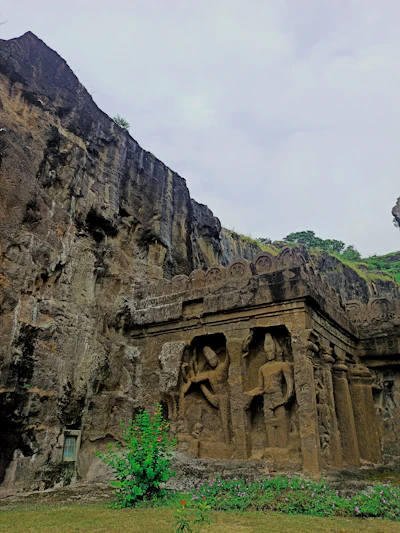
The Aurangabad caves — twelve Buddhist caves carved into a hillside north of the city between the 6th and 8th centuries — are the site's least-visited major monument and its most interesting: Cave 7 contains a frieze of apsaras of confident sensuality, quite different from the more austere Buddhist tradition. The caves predate the Mughal city entirely, a reminder that Aurangabad has a history several centuries deeper than the dynasty that gave it its name.
Places to Visit in Aurangabad
- Ellora Caves
- Ajanta Caves
- Bibi Ka Maqbara
- Daulatabad Fort
Things to Do in Aurangabad
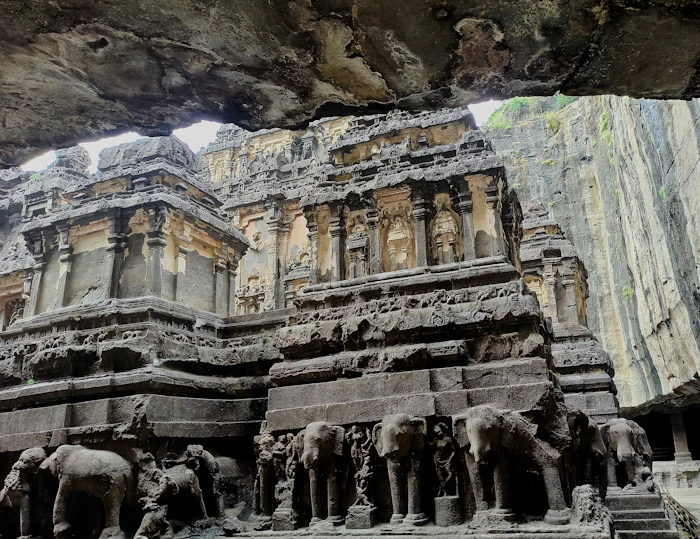
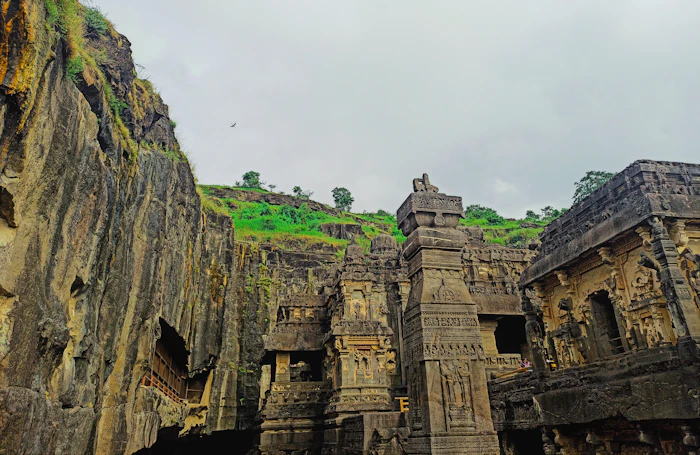
- Ellora Caves rock-cut temple tour
- Ajanta Caves fresco viewing
- Local Maharashtrian cuisine
Aurangabad in Pictures
Ready to experience Aurangabad?
Tell us your dates and interests. A specialist will send a private itinerary built around Aurangabad within 24 hours.
