Agra exists for the Taj Mahal in the way that a frame exists for a painting — indispensable, slightly taken for granted, and remarkable in its own right once you actually look at it.
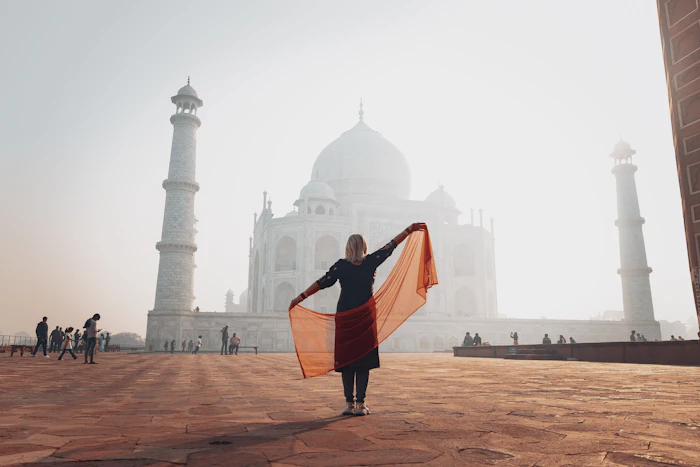
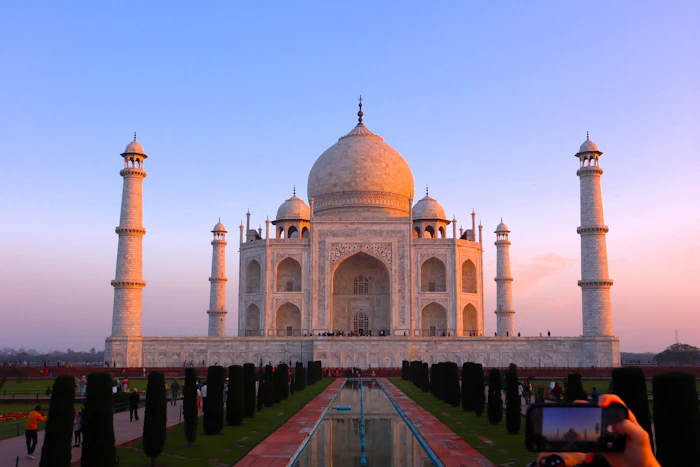
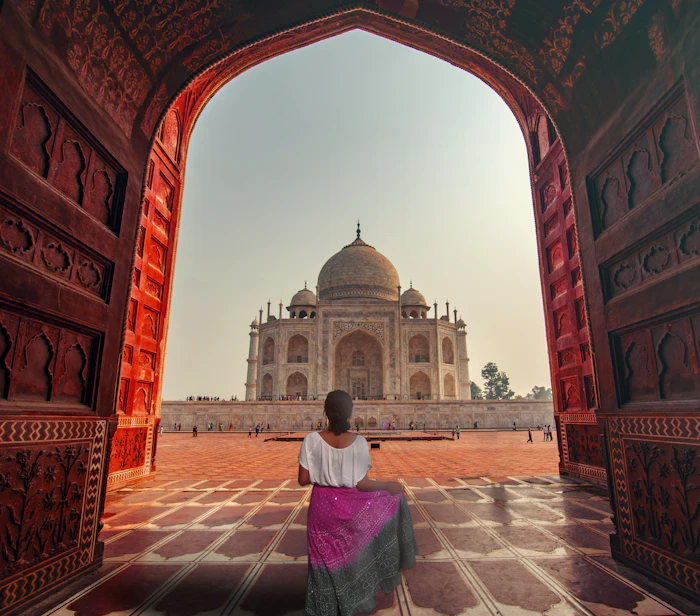
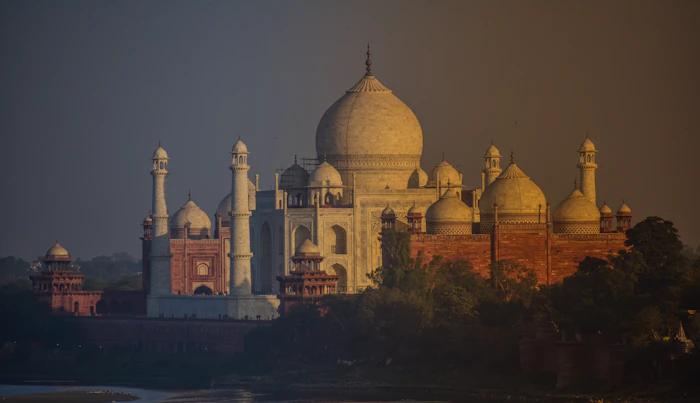
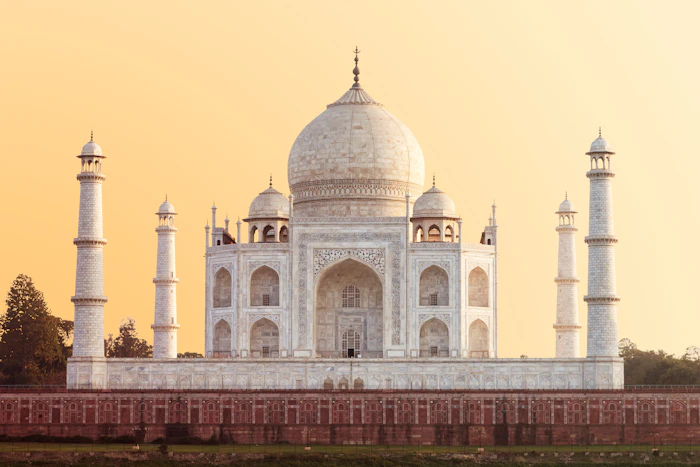
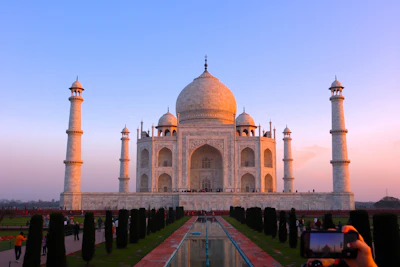
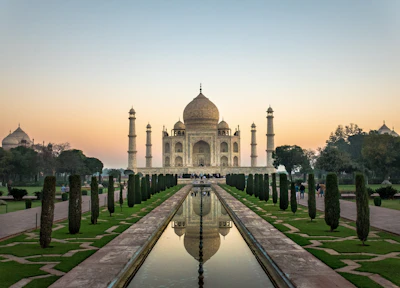
The Taj Mahal is the most looked-at building on earth and also, in a specific way, one of the least seen. It has been photographed so many millions of times that the image precedes the reality, and the first encounter with the actual building — suddenly visible through the arched gateway of the Darwaza-i Rauza — still startles even the most image-saturated visitor, because what no photograph conveys is the scale, the weight, and the specific quality of light on Makrana marble at different hours of the day. At dawn, the marble blushes pale pink. In noon light it is white to the point of luminescence. At sunset it glows amber. The building is not the same building at different times of day, and returning more than once is not redundant but necessary.
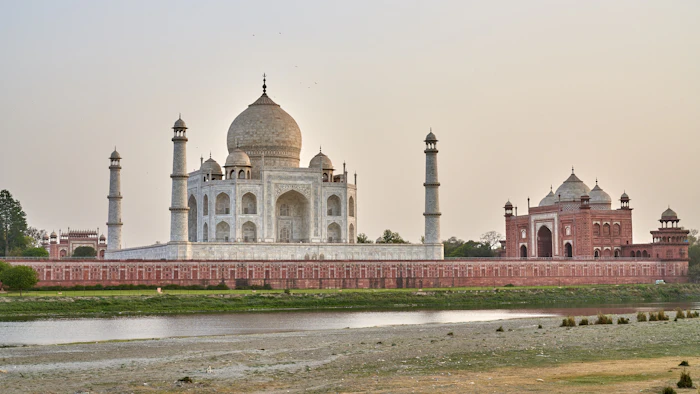
The Agra Fort, two kilometres upriver, is where Shah Jahan spent the last eight years of his life under house arrest by his son Aurangzeb, in chambers from which he could see the Taj Mahal. The imprisonment, the view, the building erected in memory of the emperor's wife — the story of Mughal power and its domestic costs plays out in these two buildings with a narrative economy that no biography could match. Fatehpur Sikri, 40 kilometres west, adds the third act: an entire imperial capital built by Akbar, occupied for fourteen years, then abandoned because the water supply ran out — leaving the most complete surviving 16th-century Mughal urban plan in a state of suspended time.
Places to Visit in Agra
- Taj Mahal
- Agra Fort
- Fatehpur Sikri
- Mehtab Bagh
Things to Do in Agra
- Sunrise visit to the Taj Mahal
- Agra Fort exploration
- Fatehpur Sikri day trip
- Marble inlay workshop visit
Agra in Pictures
Tours Featuring Agra
Ready to experience Agra?
Tell us your dates and interests. A specialist will send a private itinerary built around Agra within 24 hours.
