Delhi has been the capital of India seven times across a millennium — and unlike most layered cities, where earlier strata are buried, Delhi's older cities are still standing in the middle of the new one.
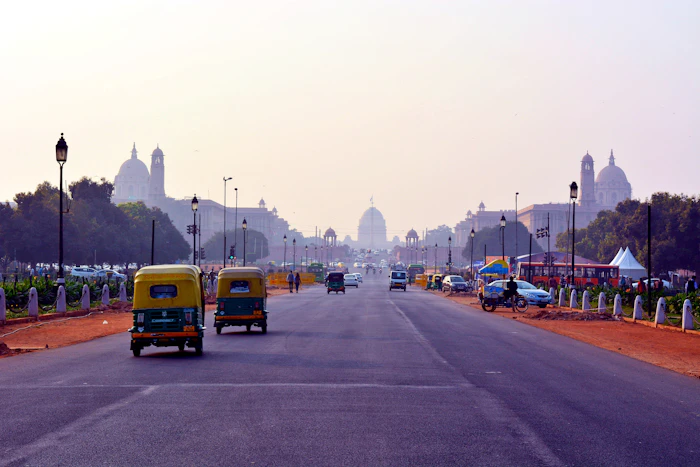
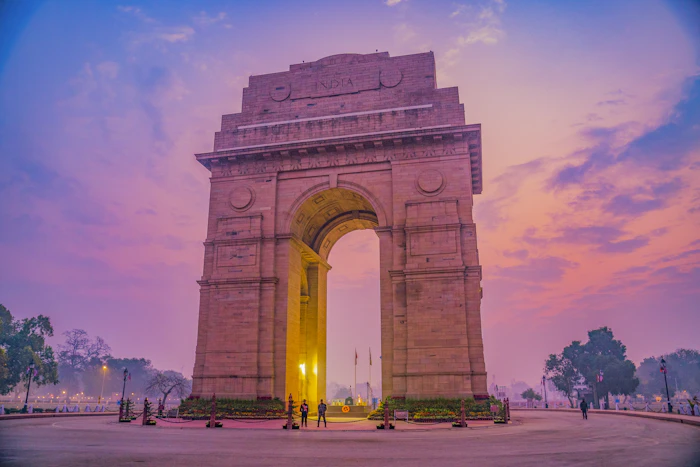
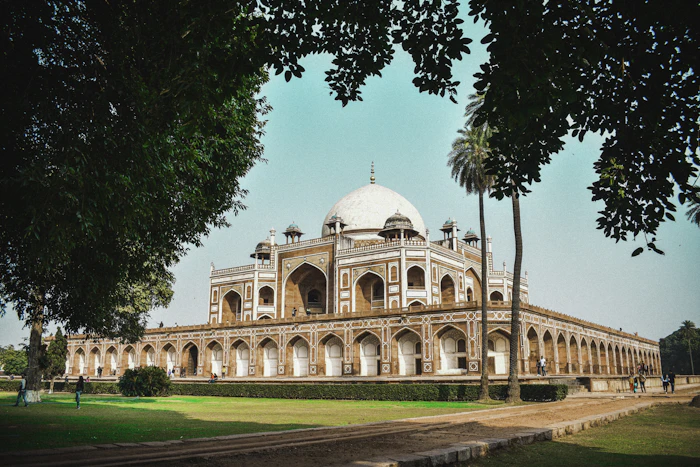
The geography of Delhi's imperial history runs roughly south to north: the Qutb Minar complex at Mehrauli, where Delhi as a serious capital begins in 1193; the Tughlaq ruins at Hauz Khas; Humayun's Tomb, prototype for the Taj Mahal built 1565; Shahjahanabad, the 17th-century Mughal walled city; and Edwin Lutyens' New Delhi, laid out between 1911 and 1931. Walking between these layers in a single afternoon is a compression of Indian history that no museum could replicate.
Old Delhi's Chandni Chowk — laid out in 1648 by the Mughal princess Jahanara Begum — retains the logic of its original bazaar in the specific lanes for specific trades that have been in the same locations since the Mughal era: silver in Dariba Kalan, spices in Khari Baoli, wedding trimmings in Kinari Bazaar. Khari Baoli is the largest wholesale spice market in Asia and smells like it, turmeric dust and dried chillies mixing in lanes devoted to this trade since the 17th century.
Contemporary Delhi — the diplomatic colony and the high-rise commercial districts of Gurgaon and Noida — occupies a parallel existence to the medieval city and is as interesting as a symptom of what the 21st century is doing to the Indian subcontinent. The contrast between the Lutyen's bungalows of the embassies and the Cyber City skyline of Gurgaon across the expressway contains the entire compressed history of independent India in a single field of vision.
Delhi in Pictures
Destinations in Delhi
Tours Featuring Delhi
Ready to experience Delhi?
Tell us your dates and interests. A specialist will send a private itinerary built around Delhi within 24 hours.
